Unlocking the Vocabulary of Victory: How Bingo Callers' Terms Reflect State Laws and Player Customs
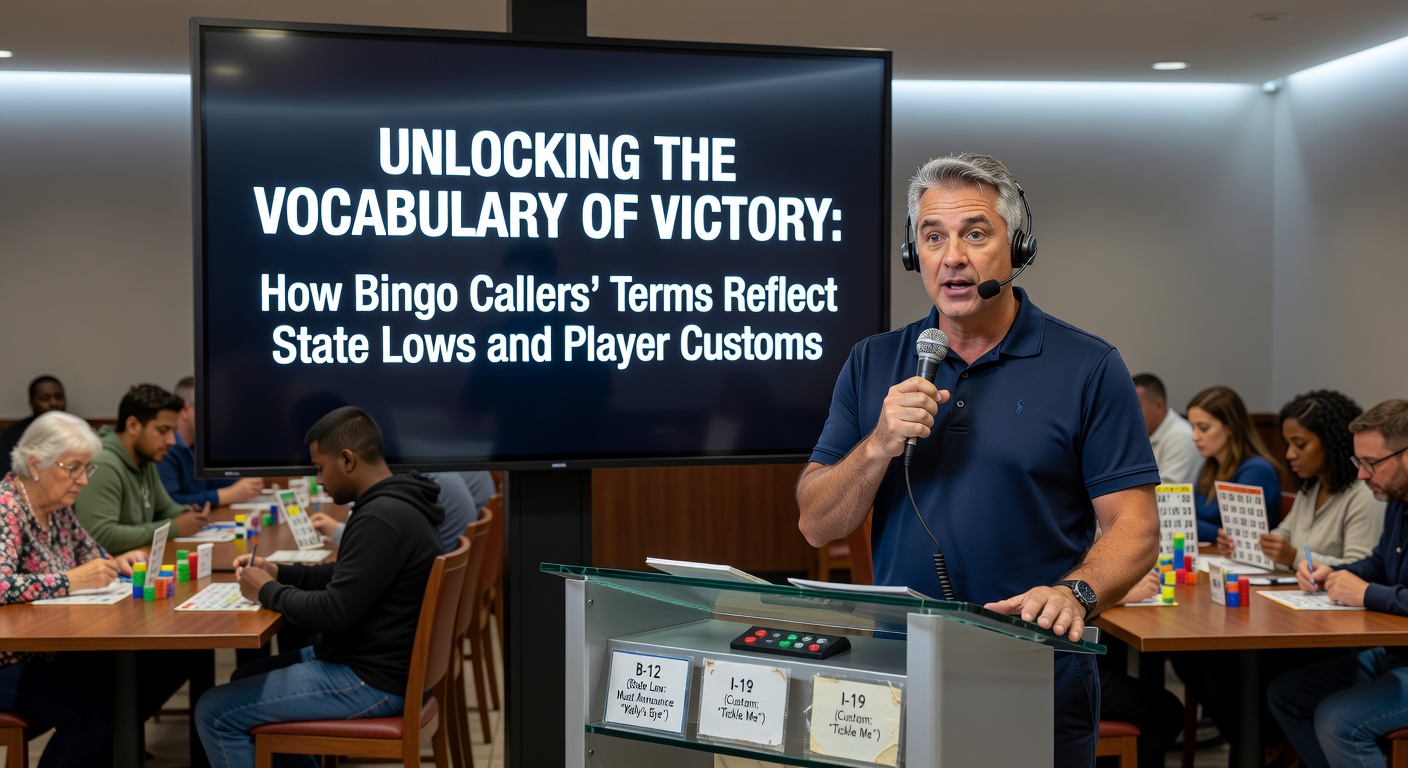
Bingo callers across the United States rely on specialized vocabulary that blends standardized number announcements with region-specific phrases, and these terms often mirror the legal frameworks established by individual state gaming statutes along with longstanding player traditions in various communities. Observers note that the structure of calls adapts to requirements such as approved patterns, maximum prize limits, and session durations outlined in state regulations, while player customs introduce colorful nicknames that persist even when laws emphasize formal number recitation for compliance purposes. Research from gaming oversight bodies shows variations in terminology emerge where charitable gaming laws permit creative adaptations, yet they require clear communication to maintain fairness across sessions.
State Regulations and Their Influence on Core Terminology
State laws frequently dictate the exact patterns players must achieve to claim prizes, which in turn shapes the phrases callers employ to guide participants through each round. In jurisdictions like Texas and New York, statutes mandate specific winning configurations such as straight lines or blackout formats, leading callers to use precise descriptors like "cover all" or "full card" rather than ambiguous slang during official play. Data from regulatory reports indicate that these legal mandates reduce ambiguity in announcements, ensuring participants understand when a pattern reaches completion under the rules enforced by state commissions. Callers therefore integrate terms that align with verification procedures, and this practice helps facilities avoid disputes during prize distributions.
Regional Customs Adding Flavor to Standard Calls
Player customs in different areas introduce nicknames and rhythmic chants that supplement the numerical core, reflecting community preferences developed over decades of local games. In southern states, for instance, phrases such as "two little ducks" for the number twenty-two or "lucky seven" appear in sessions where laws allow supplementary entertainment elements without altering official outcomes. Those who track bingo operations report that these customs thrive in settings governed by charitable gaming permits, where operators balance regulatory compliance with audience engagement to sustain participation rates. What's interesting is how such expressions persist across generations, passed along through player networks even as digital systems standardize the underlying number draws.
Legislative updates scheduled for May 2026 in several midwestern states aim to clarify electronic verification standards for patterns, which may prompt callers to adopt hybrid terms that reference both traditional patterns and new automated checks. According to industry analyses, these changes build on existing frameworks that already require audible announcements to remain consistent with paper-based verification methods in licensed halls. Observers note the vocabulary shift could incorporate references to digital stamps or instant validations while preserving regional nicknames that players expect during live events.
Cross-Border Comparisons Highlighting Legal and Cultural Ties
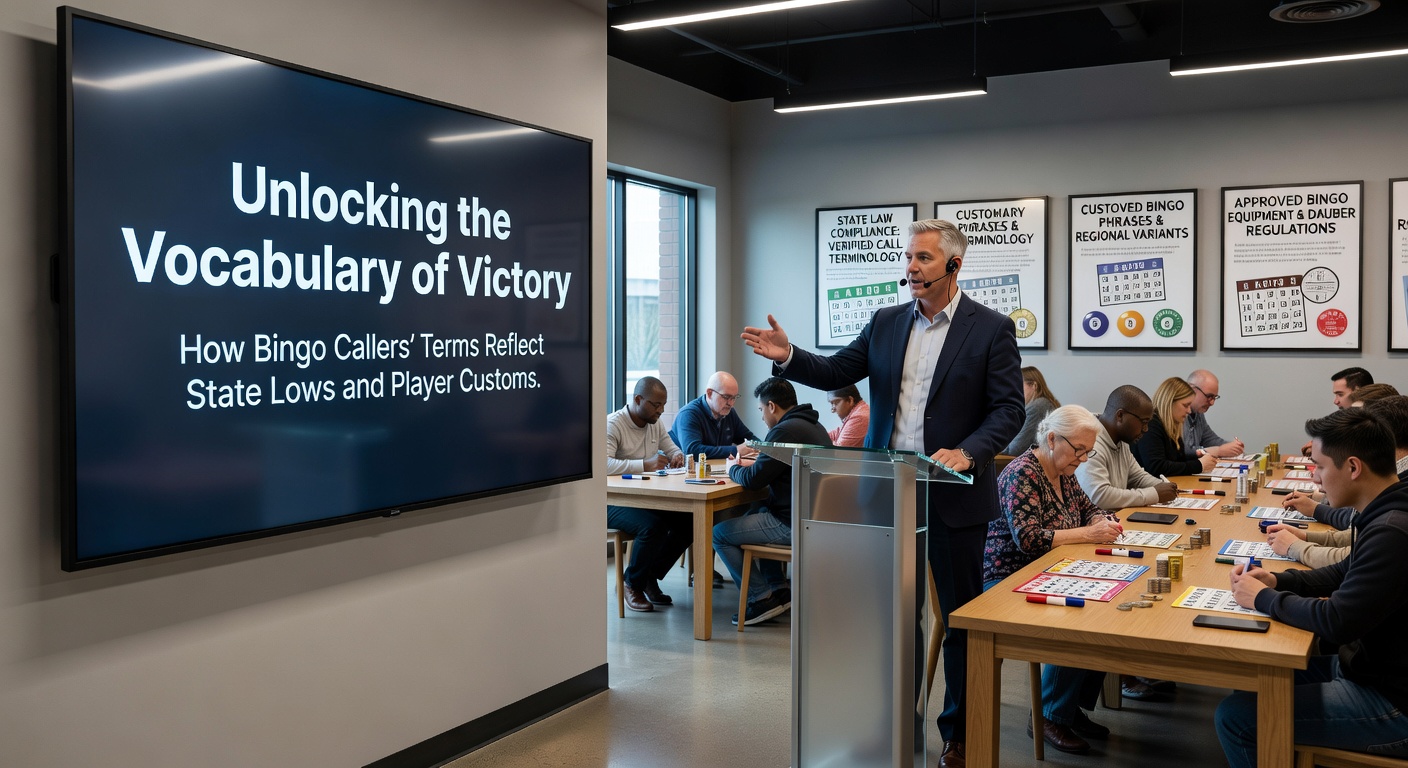
Comparisons between American state rules and Canadian provincial guidelines reveal parallel influences on caller language, where regulatory bodies emphasize transparent number delivery yet accommodate cultural expressions unique to each locale. In provinces such as Ontario, oversight from the Alcohol and Gaming Commission shapes calls around verified sequences that align with prize caps, prompting terms that echo those used in bordering U.S. states with similar charitable frameworks. Research indicates that shared player migration patterns contribute to overlapping nicknames, while distinct legal wording in each region maintains subtle differences in how patterns receive description during play.
Academic reviews of gaming practices further demonstrate that terminology evolves through documented interactions between regulators and operators, with examples drawn from session logs showing how calls adapt when new pattern rules take effect. One study revealed that facilities in high-regulation environments favor concise phrasing to meet audit requirements, whereas areas with looser oversight retain more elaborate customs rooted in social gatherings. The reality is that these adaptations keep games accessible while satisfying documentation standards that vary by jurisdiction.
Practical Examples from Diverse Gaming Environments
Take the case of callers operating under California charitable bingo statutes, where pattern requirements lead to announcements focused on horizontal, vertical, and diagonal lines before progressing to more complex shapes allowed by law. Participants often respond to hybrid calls that combine numeric clarity with local shorthand developed through repeated community events. Figures from state gaming summaries reveal consistent use of these terms correlates with higher compliance during inspections, as they facilitate quick pattern recognition without deviation from approved formats.
Another instance occurs in Australian licensed venues governed by state gaming authorities, where callers blend British-influenced nicknames wth numerical precision to match rules on session timing and prize structures. Those who've examined cross-cultural reports note parallels with U.S. practices, particularly in how customs reinforce player loyalty without conflicting with legal mandates for fair play verification. And yet the core remains tied to regulatory language that prioritizes unambiguous communication throughout each round.
Conclusion
Bingo callers' vocabulary ultimately serves as a bridge between statutory requirements and community practices, with terms shaped by the need for legal adherence alongside the continuity of player traditions across regions. Evidence from regulatory sources and operational records confirms that this interplay sustains the game's structure while allowing for localized expressions that enhance participation. As updates such as those planned for May 2026 take hold, the language will likely continue evolving in response to refined verification processes and shifting customs, maintaining its role in regulated environments throughout multiple jurisdictions.