The Subtle Signals of the Bingo Floor: Etiquette, Terminology Shifts, and Regulatory Impacts on Daily Play Sessions
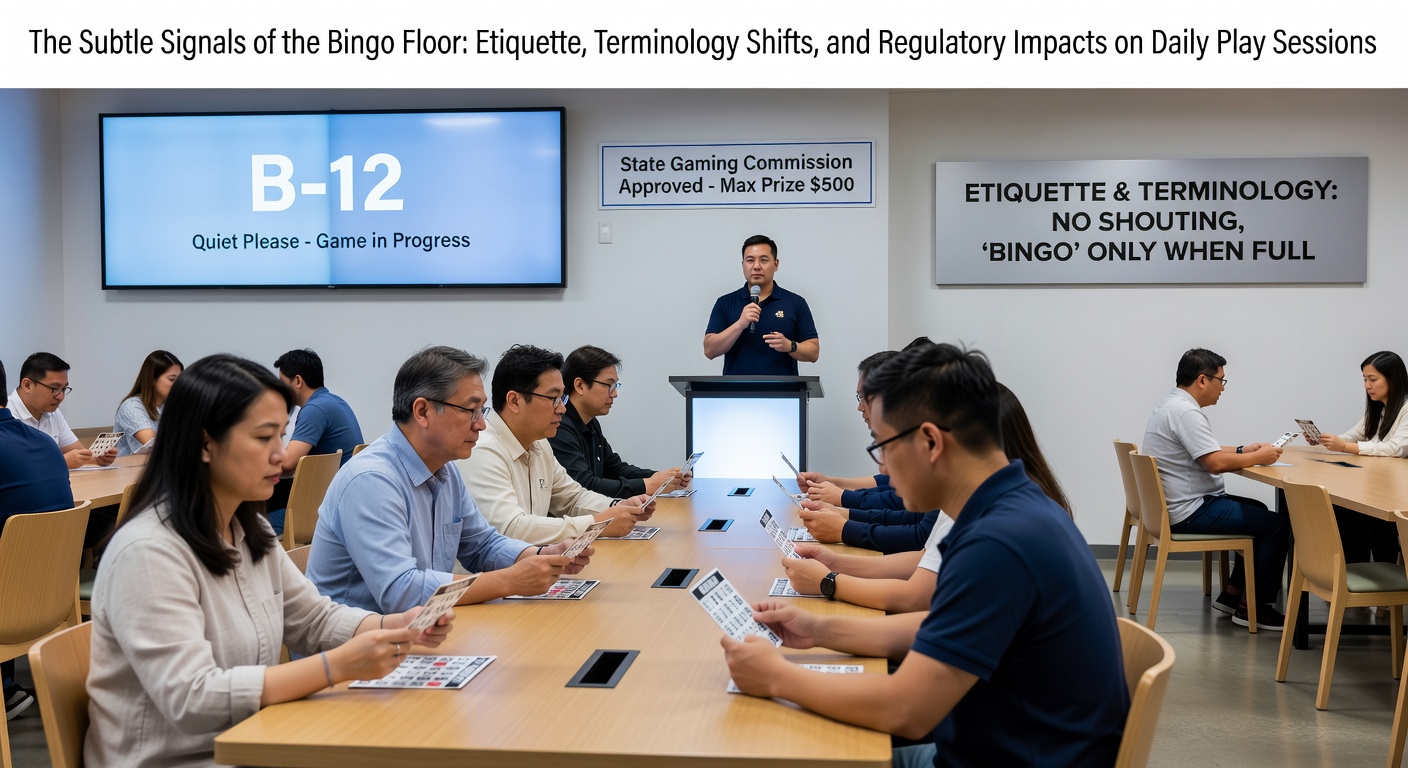
Players on the bingo floor communicate through understated movements that convey readiness, acknowledgment, or requests for assistance without disrupting the caller’s rhythm, and these signals have adapted as venues adjust to evolving standards for conduct and oversight. Observers note that a raised hand with fingers extended often indicates a near-complete card while a single nod toward the caller confirms a verified win, allowing sessions to proceed smoothly amid groups that may exceed several hundred participants at peak times.
Non-Verbal Etiquette and Floor Dynamics
Venues enforce quiet daubing techniques where participants tap markers lightly to avoid ink splatter or noise that could mask the next number announcement, and this practice aligns with requirements that limit distractions during consecutive games. Data from multiple state gaming reports shows that facilities implementing structured seating arrangements see fewer interruptions, as players maintain consistent spacing that respects personal boundaries while still permitting quick visual checks of neighboring cards for mutual verification when rules permit. Those who frequent daily sessions often recognize that eye contact with floor staff replaces verbal requests for card replacements or marker refills, reducing the overall sound level and supporting the continuous flow of play that regulatory frameworks encourage through time-bound session limits.
Terminology Adjustments Across Regions
Caller language has shifted in response to licensing conditions that prohibit certain traditional phrases deemed potentially misleading, leading venues to adopt neutral alternatives such as “next number” instead of older colloquialisms that once referenced luck or superstition. Research indicates these changes took hold gradually after 2023 updates in several jurisdictions, where operators submitted revised scripts for approval to maintain compliance while preserving the pace that keeps players engaged through multiple rounds. In areas where electronic daubers integrate with central systems, terminology now includes references to “system-verified patterns” rather than manual checks alone, reflecting the transition toward automated validation that state agencies monitor for accuracy and fairness.
Regulatory Changes Affecting Session Structure
Updated statutes effective in various states have introduced maximum game durations and mandatory breaks, which in turn influence how participants pace their arrival and departure times within a single visit. Figures from the National Indian Gaming Commission reveal that halls operating under these constraints report steadier attendance patterns because players schedule around predictable intervals rather than extended marathons, and this structure also affects how etiquette signals evolve to include gestures for requesting temporary card holds during required pauses. Venues in regions with prize pool caps have adjusted terminology around “progressive accumulations” to clearly separate base game rewards from any carryover elements, ensuring announcements remain transparent and compliant with consumer protection measures that took further shape ahead of May 2026 implementation deadlines in select markets.
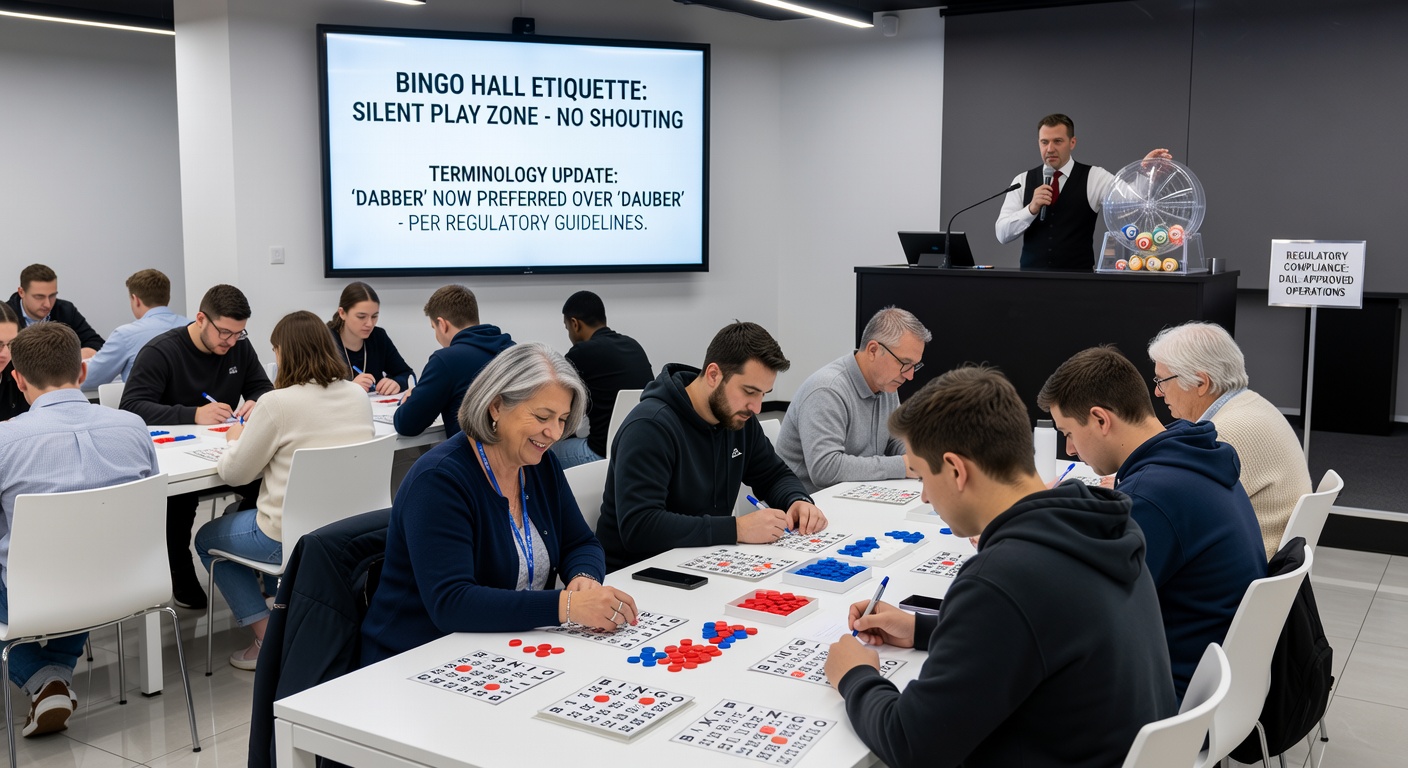
Operators coordinate with oversight bodies to train staff on recognizing both traditional and emerging signals, ensuring that any request for assistance registers promptly without requiring spoken confirmation that might overlap with number calls. Studies compiled by the American Gaming Association highlight that consistent application of these protocols correlates with fewer compliance incidents during routine inspections, as players internalize the expected behaviors through repeated exposure rather than explicit instruction each visit.
Daily Play Adaptations and Technology Integration
Electronic boards now display real-time pattern progress alongside caller announcements, prompting players to develop new gestures such as tapping the screen edge to signal a system glitch instead of raising a physical card. Regulatory frameworks in multiple jurisdictions require these displays to update within seconds of each draw, which supports quicker resolution of discrepancies and reduces the need for verbal interventions that once extended session times. Participants who use mobile-linked apps for remote verification still rely on in-hall signals when requesting printed receipts or adjustments, illustrating how technology layers onto established etiquette without replacing it entirely.
Venues track session metrics including average game length and player turnover rates, data that informs adjustments to seating layouts or signal protocols when regulators request evidence of responsible operations. Those monitoring trends note that halls incorporating clear visual aids for permitted gestures experience smoother transitions between games, particularly when new terminology appears on digital boards to reinforce spoken updates.
Conclusion
Subtle signals, shifting terminology, and regulatory frameworks continue to intersect on the bingo floor, shaping how daily sessions unfold through coordinated adjustments by operators, players, and oversight agencies. Facilities that align etiquette practices with current standards maintain orderly environments while accommodating the technological and procedural changes that define contemporary play.