The Regulatory Mosaic of Bingo Halls: Examining Legal Frameworks That Dictate Game Mechanics and Social Norms
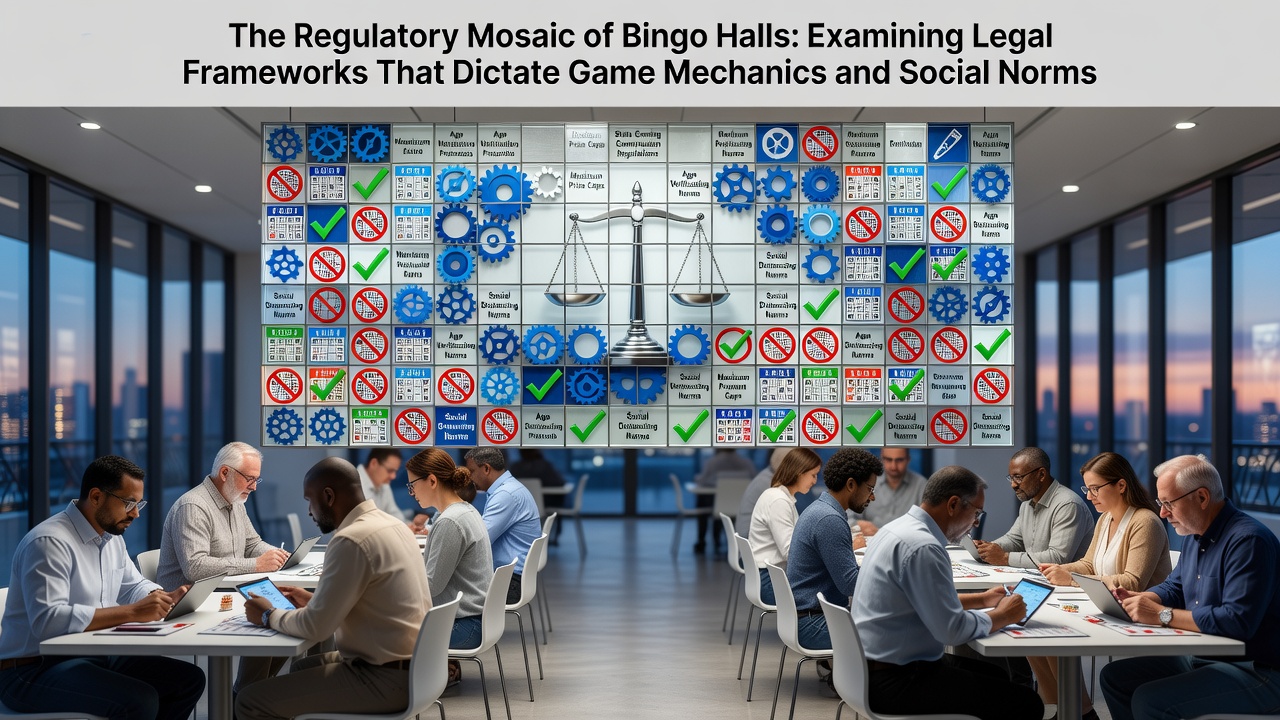 Bingo halls operate under layers of rules that differ sharply from one jurisdiction to the next, and those differences shape everything from the number of cards allowed per player to the precise moments when conversation must stop. Legal frameworks in various regions establish limits on prize pools, dictate how numbers must be drawn and verified, and set boundaries on who can participate, which in turn influences the daily interactions that occur on the floor. Observers note that these overlapping requirements create a patchwork effect where a single hall might follow municipal codes alongside state or provincial statutes and national gaming statutes. Research from regulatory bodies shows that game mechanics often trace directly back to statutory language rather than operator preference. In some Canadian provinces, for instance, legislation caps the percentage of revenue returned as prizes and requires electronic verification systems to record each draw sequence. Those provisions force halls to adopt specific randomization equipment and maintain detailed logs that inspectors can review on demand. Similar requirements appear in Australian state laws, where operators must demonstrate that every pattern and payout formula complies with pre-approved mathematical models before play begins. Social norms inside the halls follow the same regulatory logic. Many jurisdictions require posted conduct codes that prohibit cell phone use during active games or limit the volume of side conversations, and these rules stem from statutes aimed at preventing collusion or distraction. Enforcement typically falls to floor managers who receive training mandated by licensing authorities, and violations can trigger fines that affect the hall's operating permit. Data from compliance reports indicate that such etiquette standards reduce disputes while maintaining the steady pace regulators expect during sessions.
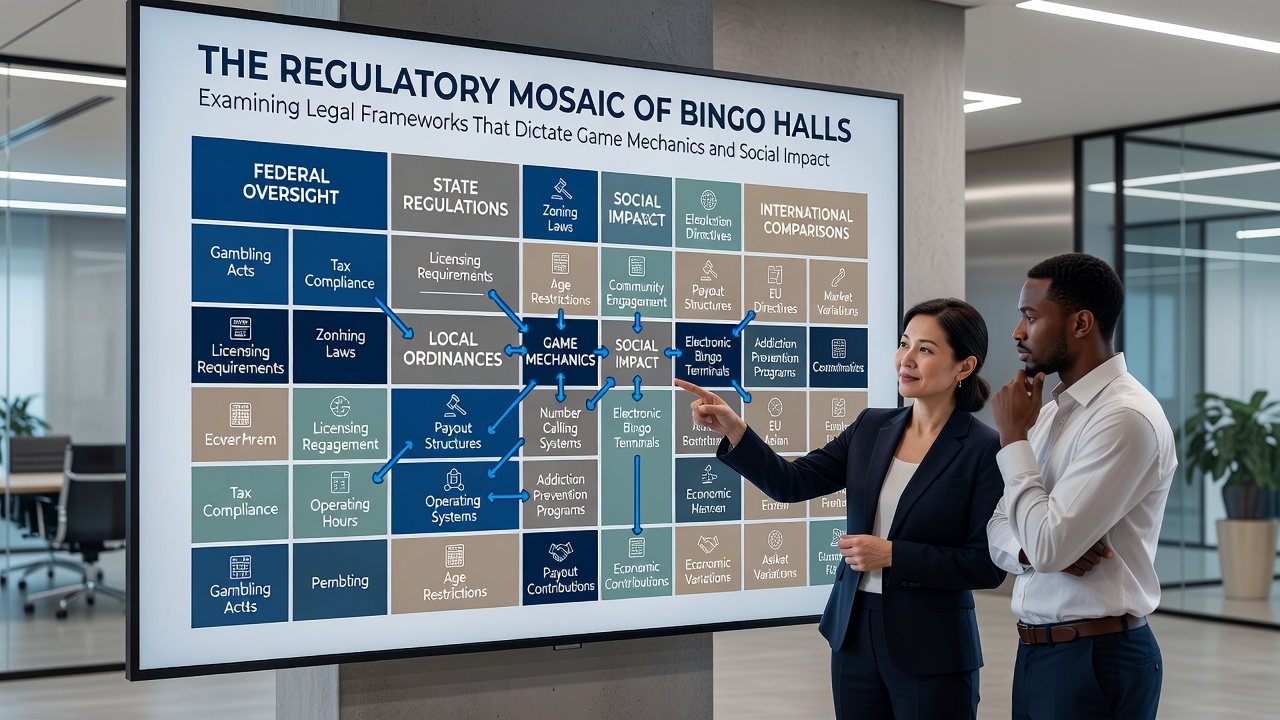 Venue operations also reflect these layered requirements. Fire safety codes, occupancy limits, and noise ordinances intersect with gaming-specific rules, producing detailed floor plans that must receive approval before any session opens. Halls in regions with frequent multi-jurisdictional oversight often schedule simultaneous compliance checks, where representatives from different agencies examine equipment logs, prize disbursement records, and staff training certificates in a single visit. Such coordinated reviews have become standard practice ahead of the assessments planned for June 2026 across several North American and Australian jurisdictions.
Bingo halls operate under layers of rules that differ sharply from one jurisdiction to the next, and those differences shape everything from the number of cards allowed per player to the precise moments when conversation must stop. Legal frameworks in various regions establish limits on prize pools, dictate how numbers must be drawn and verified, and set boundaries on who can participate, which in turn influences the daily interactions that occur on the floor. Observers note that these overlapping requirements create a patchwork effect where a single hall might follow municipal codes alongside state or provincial statutes and national gaming statutes. Research from regulatory bodies shows that game mechanics often trace directly back to statutory language rather than operator preference. In some Canadian provinces, for instance, legislation caps the percentage of revenue returned as prizes and requires electronic verification systems to record each draw sequence. Those provisions force halls to adopt specific randomization equipment and maintain detailed logs that inspectors can review on demand. Similar requirements appear in Australian state laws, where operators must demonstrate that every pattern and payout formula complies with pre-approved mathematical models before play begins. Social norms inside the halls follow the same regulatory logic. Many jurisdictions require posted conduct codes that prohibit cell phone use during active games or limit the volume of side conversations, and these rules stem from statutes aimed at preventing collusion or distraction. Enforcement typically falls to floor managers who receive training mandated by licensing authorities, and violations can trigger fines that affect the hall's operating permit. Data from compliance reports indicate that such etiquette standards reduce disputes while maintaining the steady pace regulators expect during sessions.How Statutory Language Shapes Number Selection and Payout Structures
Statutes in multiple regions specify the exact methods for selecting and announcing numbers, which removes room for local improvisation. Certain U.S. state codes require physical ball machines with transparent chambers and independent verification by a second staff member before each number enters the public record. These mechanical mandates carry over into prize calculations, where maximum single-game payouts often receive explicit caps expressed as percentages of total card sales. Operators adjust their session structures accordingly, running shorter games or combining multiple patterns to stay within the legal ceiling while still filling the hall. In European markets outside the United Kingdom, gaming authorities impose additional layers such as mandatory cooling-off periods between jackpot rounds and documented testing of software used for electronic bingo variants. Those rules affect both the timing of social events around the games and the physical layout of terminals, because halls must allocate space for inspection access and maintain records that demonstrate ongoing calibration. Figures released by oversight agencies reveal that halls adapting to these constraints frequently standardize their card distribution processes to simplify audits.Cross-Border Differences in Player Eligibility and Venue Operations
Eligibility rules create another dimension of variation that halls must navigate. Some jurisdictions tie participation to minimum age thresholds that align with broader gaming statutes, while others add residency requirements or mandate identification checks at entry. These policies influence the demographic makeup of sessions and the types of community events halls can host alongside regular play. Licensing applications in several provinces require operators to outline how they will accommodate accessibility standards, which leads to designated seating zones and adjusted calling volumes that become part of the approved operational plan.
Venue operations also reflect these layered requirements. Fire safety codes, occupancy limits, and noise ordinances intersect with gaming-specific rules, producing detailed floor plans that must receive approval before any session opens. Halls in regions with frequent multi-jurisdictional oversight often schedule simultaneous compliance checks, where representatives from different agencies examine equipment logs, prize disbursement records, and staff training certificates in a single visit. Such coordinated reviews have become standard practice ahead of the assessments planned for June 2026 across several North American and Australian jurisdictions.