State Lines and Lucky Lines: How Regulations Shape Bingo Variations, Caller Lingo, and Prize Mechanics Across Venues
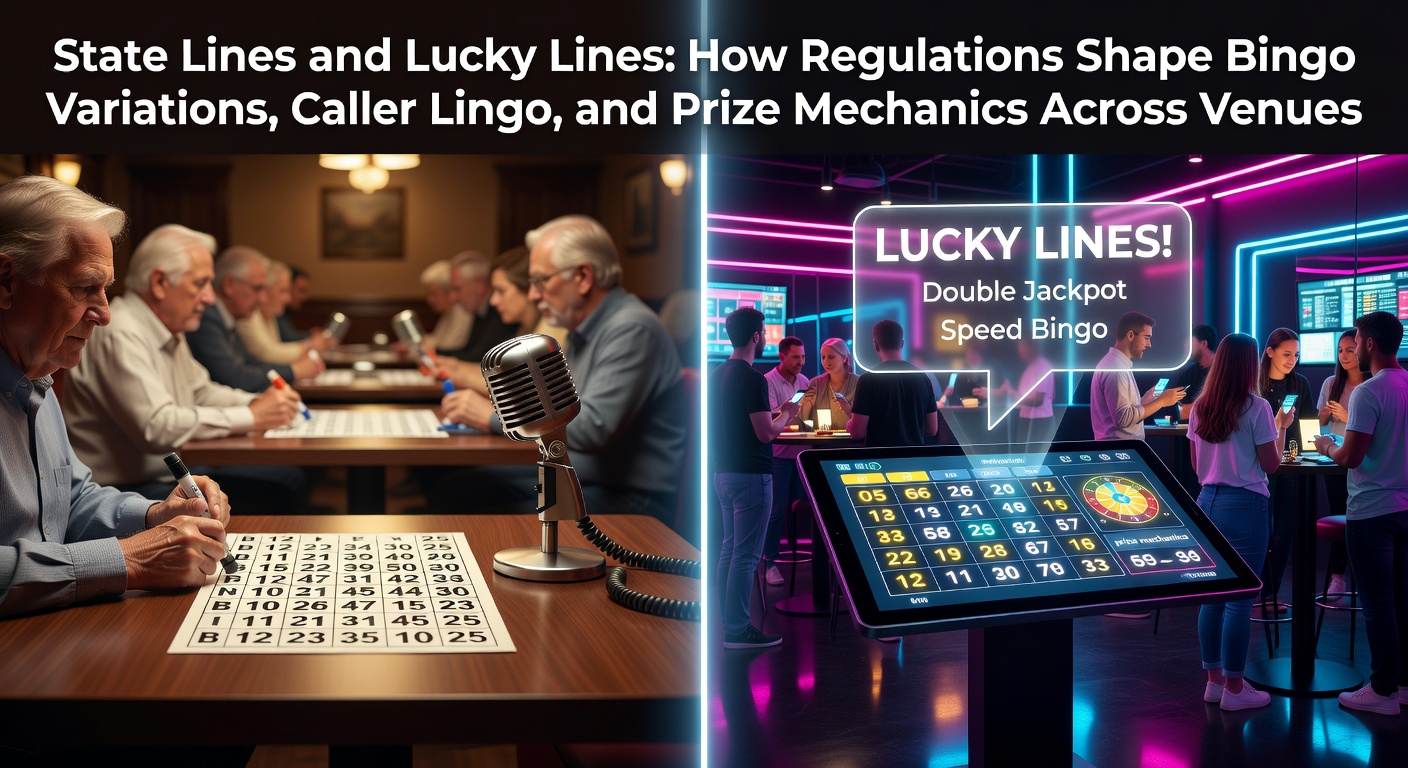
Regulations across state lines create distinct differences in how bingo operates from one venue to the next, and those distinctions appear in game patterns, the phrases callers use, and the way prizes get distributed. Observers note that crossing from one jurisdiction into another often means players encounter new rules on card designs, payout limits, and even the exact wording required during draws. Data from regulatory filings shows these variations stem directly from laws that treat bingo as a form of charitable gaming in some states while classifying it under broader gaming statutes elsewhere.
State Boundaries and Game Pattern Differences
Texas venues typically limit play to traditional straight-line patterns because state law ties bingo closely to nonprofit fundraising requirements, whereas California locations allow more complex shapes once local ordinances approve them. Researchers tracking multi-state operations have documented how these rules shift the number of winning combinations available on a single card. One study compiled by gaming analysts found that border cities near Arkansas and Oklahoma see players adapting quickly when they move between halls that follow separate pattern lists approved by each state's licensing board.
Caller Lingo Shaped by Legal Language
Callers adjust their terminology to match wording that appears in state statutes, and this produces noticeable regional dialects. In Florida halls, official rules require callers to announce numbers using full phrases such as "B seven" rather than abbreviated nicknames, while Michigan regulations permit traditional shorthand like "lucky seven" as long as the number remains clear. Those who've reviewed transcripts from licensing hearings observe that these mandated styles reduce disputes during verification and tie directly to consumer protection clauses written into each state's bingo code.
Venues near state lines sometimes maintain dual call sheets so staff can switch phrasing when regulators from either side conduct inspections. Figures released by multi-state operators indicate that consistent terminology helps avoid fines when audits cross jurisdictional lines.
Prize Mechanics and Regulatory Caps
Prize structures follow strict percentage requirements that vary by state, and these caps influence how jackpots build or reset after each session. New York law sets a maximum payout percentage that forces venues to return a fixed portion of card sales as prizes, whereas Nevada rules allow progressive pools that accumulate across multiple sessions provided the operator maintains detailed records. Industry reports compiled in 2025 show that halls operating within fifty miles of a state border often advertise separate prize pools for each regulatory zone to stay compliant.
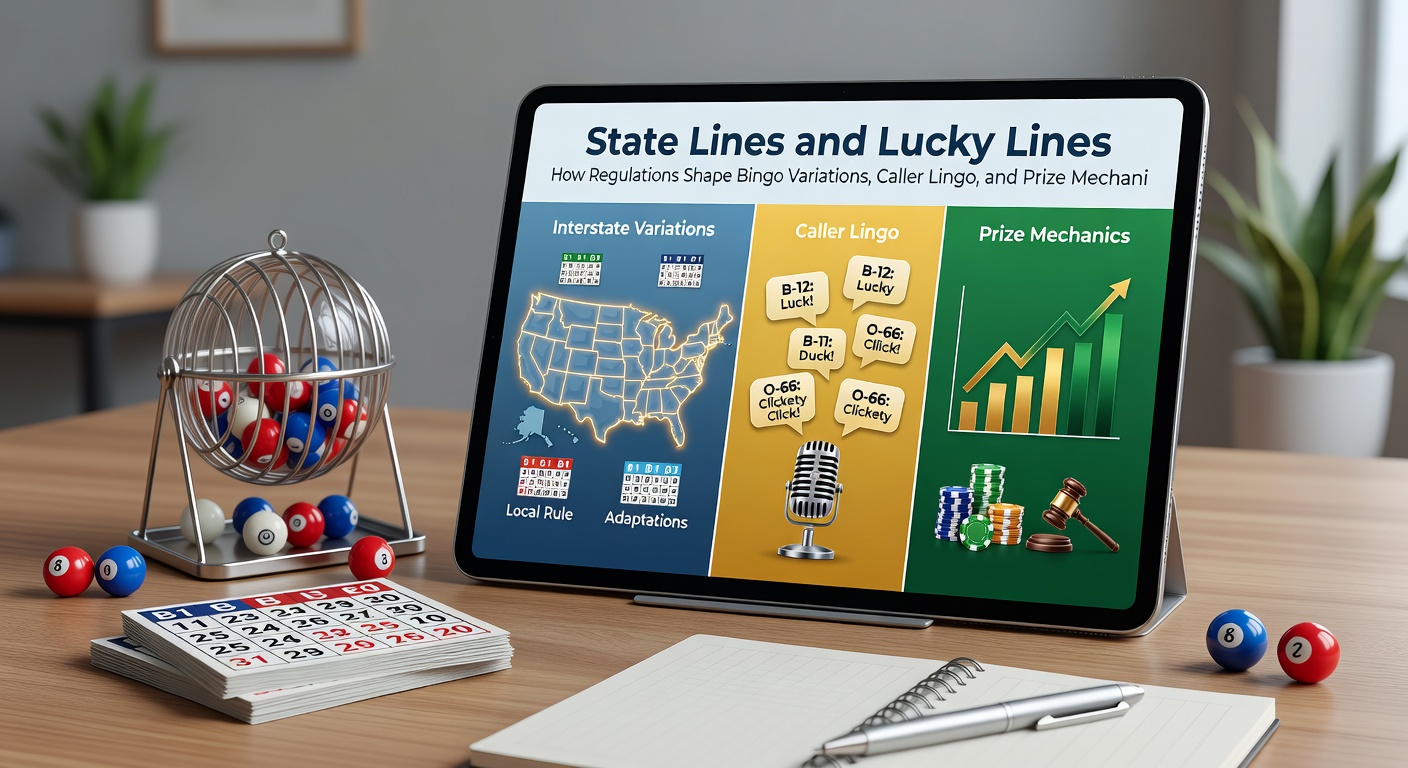
As of May 2026, several state agencies plan coordinated reviews of electronic bingo systems that link across borders, and early filings suggest new reporting standards will require real-time prize tracking. According to information published by the Nevada Gaming Control Board, operators must separate funds collected under different state licenses even when the same physical hall serves players from both sides of the line.
Interstate Play and Compliance Challenges
Players who travel regularly between states encounter different verification procedures and tax withholding thresholds that affect net winnings. Data collected by trade associations shows that venues within commuting distance of multiple jurisdictions keep separate ledgers for each regulatory body. Australian research from the Victorian Commission for Gambling and Liquor Regulation offers comparative insight, revealing similar pattern restrictions in that region when operators cross municipal boundaries.
Those monitoring enforcement actions note that mismatched prize mechanics have led to license reviews when operators failed to segregate funds according to each state's formula. Callers in these border areas receive training that covers both sets of terminology and payout rules to prevent errors during live sessions.
Conclusion
State regulations continue to define how bingo variations develop, how callers phrase announcements, and how prize money moves through each venue. Observers tracking enforcement trends expect further alignment efforts between neighboring jurisdictions, particularly as electronic systems become more common. The differences that appear when crossing state lines remain rooted in the specific statutes each licensing body enforces, and operators maintain distinct procedures to satisfy every applicable rule set.