Inside Verification Loops: Linking Bingo Card Markings to State-Mandated Prize Disbursement Procedures
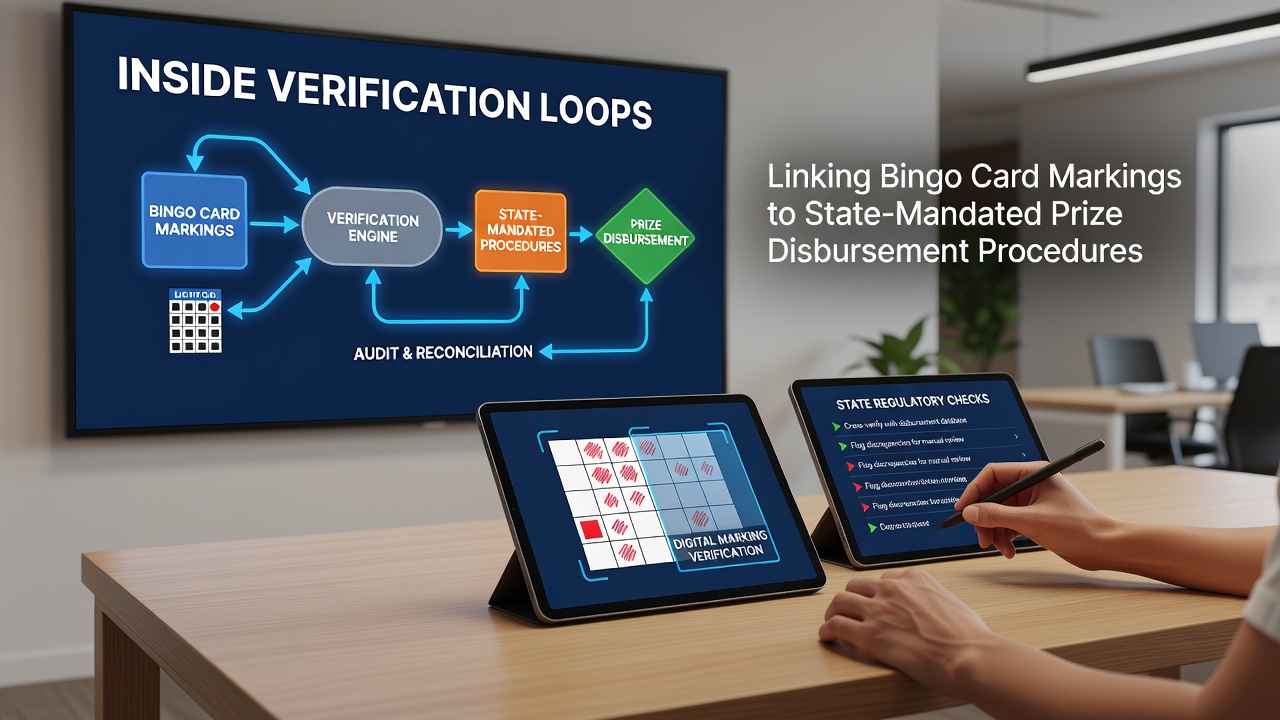
Verification loops in bingo operations form a structured sequence where each marked number on a player's card undergoes sequential confirmation against the official call sequence, and this process directly feeds into state-mandated protocols that govern when and how prizes reach winners. State laws across multiple jurisdictions require halls to maintain documented chains of custody for every winning claim, and the markings themselves serve as the primary evidence that triggers disbursement steps. Observers note that these loops typically begin at the moment a player declares a win, at which point floor staff initiate a multi-stage review that includes number-by-number playback, card authenticity checks, and compliance logging before any funds or prizes change hands.
Core Mechanics of the Verification Sequence
Staff members start by isolating the claimed card and replaying the exact sequence of numbers drawn during that game, while they compare each marking to the official record maintained by the caller or electronic system, and this step prevents premature payouts that could violate disbursement rules tied to specific state gaming statutes. Data from regulatory filings shows that most jurisdictions mandate at least three independent verifications by separate personnel, and each stage records the time, staff initials, and outcome to create an auditable trail. When a marking fails to match the called number or appears altered, the loop restarts with additional scrutiny rather than advancing to prize release, and halls must retain these records for periods ranging from one to five years depending on the state.
Electronic bingo systems now integrate with these manual loops in many venues, and software flags discrepancies in real time while still requiring human oversight to satisfy state requirements that physical cards remain the legal instrument for prize claims. Those who've examined operational manuals from different regions find that the verification cadence varies, with some states requiring video recording of the entire loop and others focusing on paper-based sign-off sheets that accompany the card to the payout window.
State-Specific Disbursement Triggers
Regulations in states such as Nevada and Michigan tie prize release directly to successful completion of the verification loop, and once markings receive final clearance the disbursement officer must issue payment within a defined window, often thirty minutes, while logging the transaction under the venue's gaming license number. Research conducted by university gaming studies programs indicates that delays beyond these windows trigger mandatory reporting to oversight bodies, and such reports detail every step of the verification process that preceded the hold. Observers note that markings on cards function as timestamped evidence, and state auditors routinely sample these records during compliance visits to confirm that disbursement occurred only after all required checks.

In June 2026 several jurisdictions plan to roll out updated electronic logging standards that will embed verification timestamps directly into payout receipts, and these changes aim to reduce disputes while maintaining the physical card as the foundational record. Halls operating under these forthcoming rules must adjust their internal loops to generate compatible data files, and early adopters report that the integration shortens average verification time without altering the number of required human checks.
Documentation and Audit Pathways
Every verified marking set feeds into a central compliance ledger that state regulators access during random or scheduled audits, and the ledger links individual card details to the exact prize amount disbursed along with the identities of staff who performed each verification step. According to reports from the Alcohol and Gaming Commission of Ontario, similar cross-border practices emphasize retention of both digital and paper trails, and venues that fail to produce complete loops during inspections face license sanctions. Those managing multi-state operations often standardize their verification forms to meet the strictest requirements among the jurisdictions they serve, and this approach simplifies training while ensuring no single state finds gaps in disbursement documentation.
Case examples from licensed halls reveal that players sometimes present cards with additional markings added after the game ends, and verification loops catch these additions through ink analysis or sequence mismatch, thereby protecting the integrity of prize funds mandated by state law. The process continues until either the claim clears or the card is disqualified, at which point the venue issues a written explanation to the player and files an internal incident report for regulatory review.
Conclusion
Verification loops serve as the operational bridge between physical card markings and the legal disbursement of prizes, and state-mandated procedures depend on the consistent execution of these sequences to maintain fairness across all regulated bingo activity. As electronic tools evolve alongside traditional checks, the core requirement remains unchanged: every marking must withstand layered confirmation before funds leave the venue. Halls that document these loops thoroughly stay aligned with compliance expectations, and regulatory bodies continue to refine standards that keep the entire chain transparent and traceable.