From B-14 to Blackout: Bingo's Rules, Rituals, and Regional Realities
From B-14 to Blackout: Bingo's Rules, Rituals, and Regional Realities
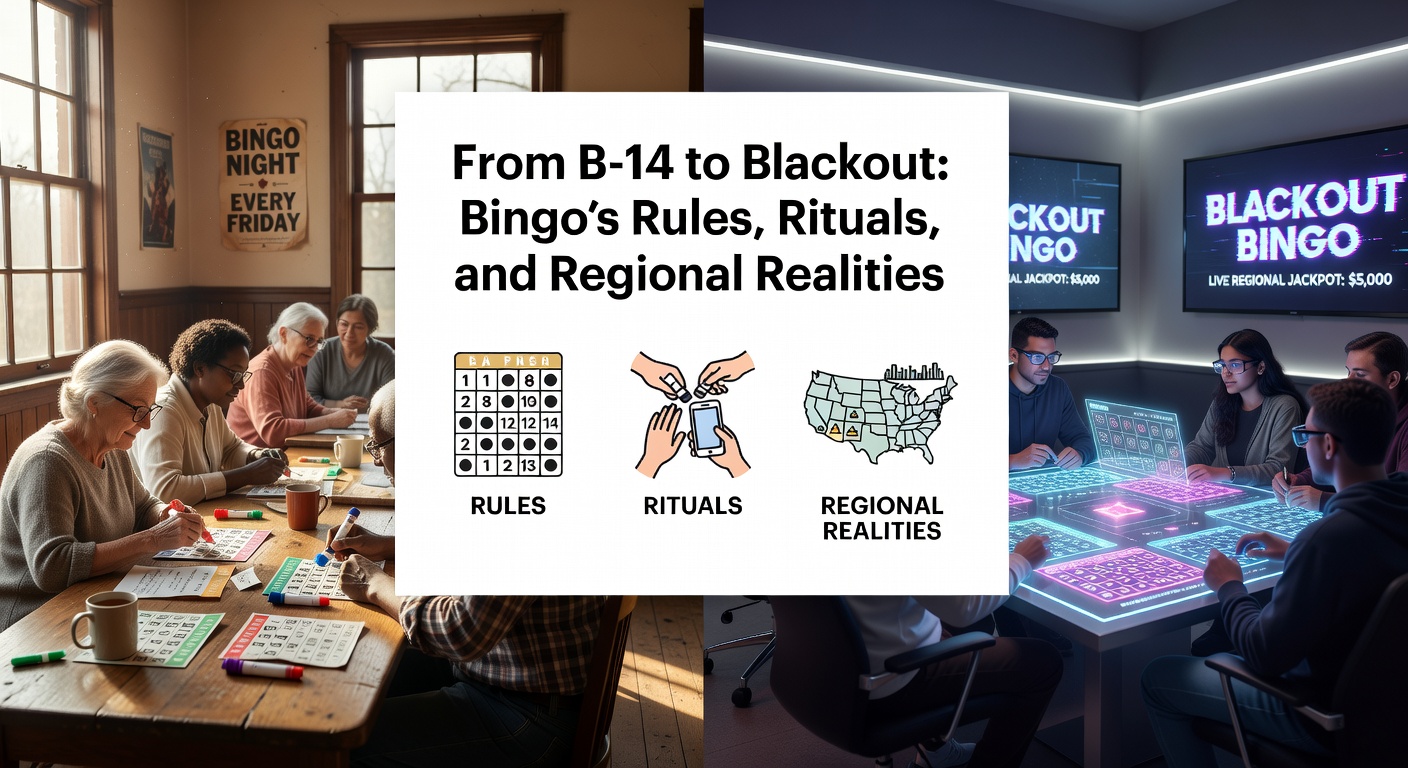
Unpacking the Calls: B-14 to Blackout Basics
Players hear "B-14" echo through halls in the United States, where 75-ball bingo dominates with its five-column cards labeled B-I-N-G-O, each column holding numbers in specific ranges—B from 1 to 15, I from 16 to 30, and so on up to O at 61 through 75; the caller draws from a cage of these 75 balls, announcing column-letter plus number, while folks mark matches toward patterns like straight lines, diagonals, or the ultimate blackout covering every space.
Blackout, also known as coverall, demands the full card filled, often with escalating payouts after a set number of calls—say 50 balls drawn without a winner—turning tense waits into frenzied scrambles; data from the American Gaming Association shows millions play weekly across states, blending luck with that ritual of scanning grids under fluorescent buzz.
But here's the thing: rules shift dramatically across borders, where 90-ball versions prevail in places like Australia and parts of Canada, using 1-90 tickets arranged in nine columns of three, players chasing one line, two lines, or full house; turns out, these formats emerged from different eras, with 75-ball tracing to 1920s carnivals in Pittsburgh, while 90-ball roots dig into 18th-century European lotteries.
75-Ball Heartland: US Patterns and Prizes
In American halls from Florida retirement communities to Midwest church basements, 75-ball reigns with patterns beyond simple lines—think letters like "T" formed by top row and middle column, or wild shapes such as hearts on Valentine's nights; experts at state regulators like Nevada's Gaming Control Board document how venues verify wins via raised hands and card inspections, payouts ranging from $50 quickies to $10,000 blackouts.
Observers note how speed games like "U-picks," where players pre-select numbers fitting a U-shape, pack halls on weekends; research from university gaming studies reveals participation spikes 20% during holidays, as communities gather for these structured yet social chases.
What's interesting lies in verification rituals—callers repeat numbers twice, players shout "Bingo!" only after full verification, avoiding penalties like disqualifications for premature claims; and while electronic daubers speed marking, paper cards persist for that tactile thrill, especially among longtime players who swear by them.
90-Ball Global Spin: Australia, Canada, and Beyond
Australia calls it "housie," played on 90-ball tickets where players mark five numbers per row across nine columns, winning first-line payouts around AUD 20, escalating to full-house jackpots hitting thousands; figures from the NSW Liquor & Gaming authority indicate over 1,000 clubs host sessions weekly, with rules mandating licensed callers and audited draws.
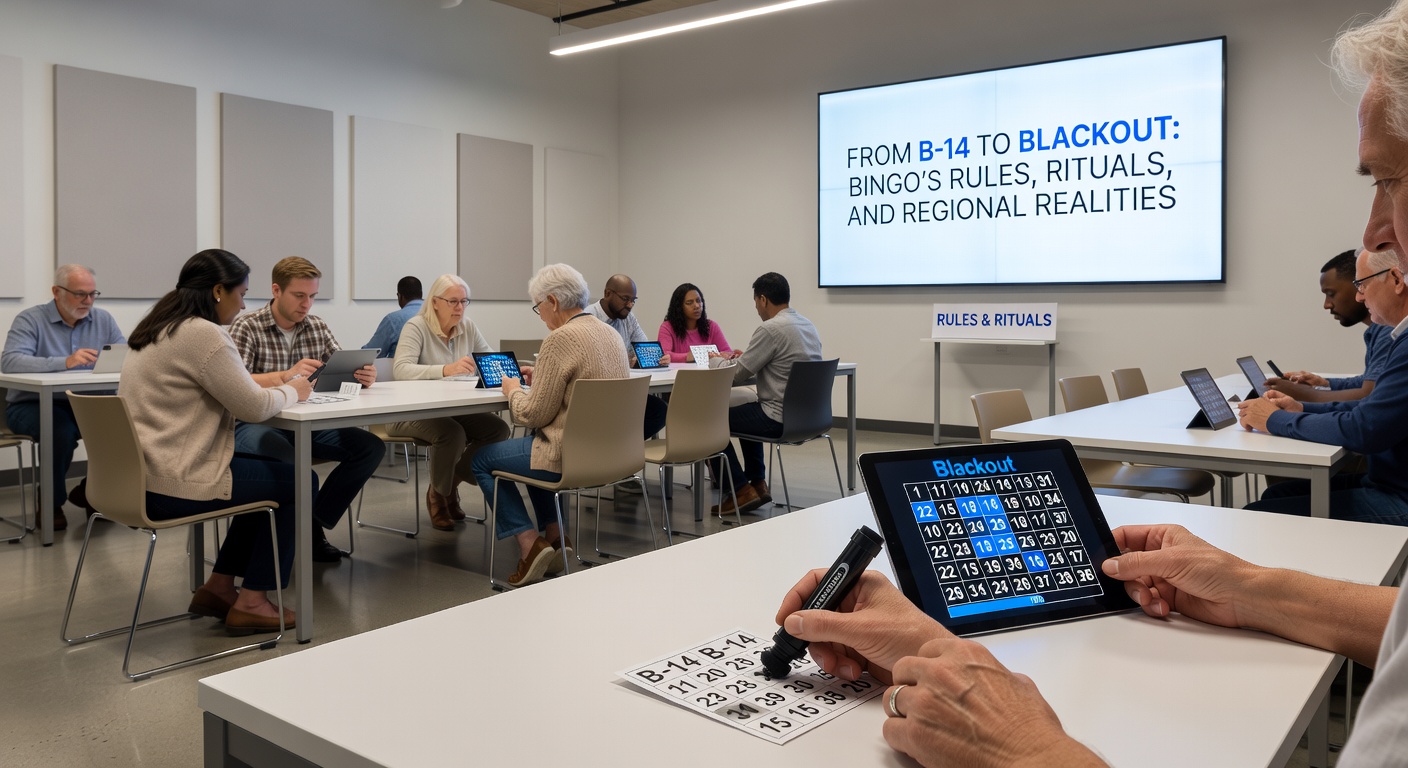
Canada mixes formats, Ontario favoring 75-ball in charity halls while British Columbia leans 90-ball in community centers; provincial reports show regulated play funds local causes, with blackout equivalents like "full card" drawing crowds despite online rivals.
Europe tweaks further—Germany's "Bingo" uses 75-ball but with regional prizes tied to federal lotteries, whereas Scandinavian versions incorporate progressive jackpots linked across venues; studies from Nordic gaming institutes highlight how these adaptations keep turnout steady, even as apps proliferate.
So regional realities shape not just rules but pacing—Australian housie races through 20 numbers per line win, contrasting slower US blackouts that build suspense over dozens of calls.
Rituals That Bind the Game: From Lucky Seats to Dauber Dips
Players arrive early claiming "lucky seats"—front row for quick hears, corners for "energy flow"—while daubers get rituals like blowing on tips or dipping in lotions; one case from a Texas hall study found 70% of regulars follow pre-game routines, from crossing fingers during calls to avoiding number 13.
Callers weave theater into announcements, pausing for drama on high-stakes balls; in US spots, "near misses" prompt communal groans, fostering that shared pulse where losses feel like team efforts.
Yet superstitions vary—Australian players tap tickets thrice before play, Canadians favor rabbit's foot keychains; data indicates these habits boost retention, as social bonds outlast single wins.
Here's where it gets interesting: electronic bingo boards now flash patterns in real-time, but purists stick to paper, marking with flourishes that turn games into personal sagas.
The Lingo of the Game: Rhymes, Riddles, and Regional Twists
US callers chant "B-14, one little kiss" or "O-72, six dozen eggs," rhymes aiding memory amid hall clamor; blackout seals with "All aboard!" as winners claim pots.
Aussies rhyme "65, old age pension" for housie calls, blending local humor with 1-90 range; Canadian halls mix English-French, like "quatorze" for 14 in Quebec spots.
Observers track how apps preserve calls via audio, with April 2026 seeing virtual tournaments revive classics—platforms report 15% uptick in live-streamed sessions blending old rituals with digital verification.
Take one Midwest tournament where "legs eleven" (11) sparked laughs despite US norms; such crossovers highlight bingo's adaptable lingo, evolving yet rooted in tradition.
It's noteworthy that these phrases, born from Cockney markets, migrated globally, now customized—Germany skips rhymes for stark numbers, prioritizing clarity in multilingual crowds.
Modern Shifts and April 2026 Spotlights
Online platforms exploded post-2020, offering 75-ball quickies or 90-ball marathons anytime, yet live halls rebound with hybrid events; Canadian provincial data shows 2025 attendance up 12%, signaling ritual hunger.
April 2026 brings regional spotlights—US states host "Blackout Bonanzas" with $50,000 guarantees, Australian clubs run housie festivals tying into Anzac Day crowds; Europe's EU-wide apps sync progressive blackouts across borders, per Malta regulatory filings.
But the reality is, core rules endure—draw integrity via random generators or cages, wins verified publicly—while rituals adapt, like virtual good-luck emojis in apps.
Researchers who've studied patterns note younger players (under 35) favor speed formats, blending mobile play with occasional hall visits; that's where the rubber meets the road for bingo's staying power.
Conclusion
From B-14's crisp call to blackout's triumphant cover, bingo weaves rules, rituals, and regional flavors into a global tapestry where 75-ball patterns thrill US crowds, 90-ball lines unite Aussie clubs, and superstitions span continents; data underscores its resilience, with millions marking cards weekly amid evolving tech.
Players discover patterns in chaos, communities in competition; as April 2026 unfolds with fresh tournaments, the game's essence persists—simple grids, shared shouts, endless possibility.