Customary Practices in Bingo Halls: Aligning Local Traditions with Mandatory Regulatory Frameworks
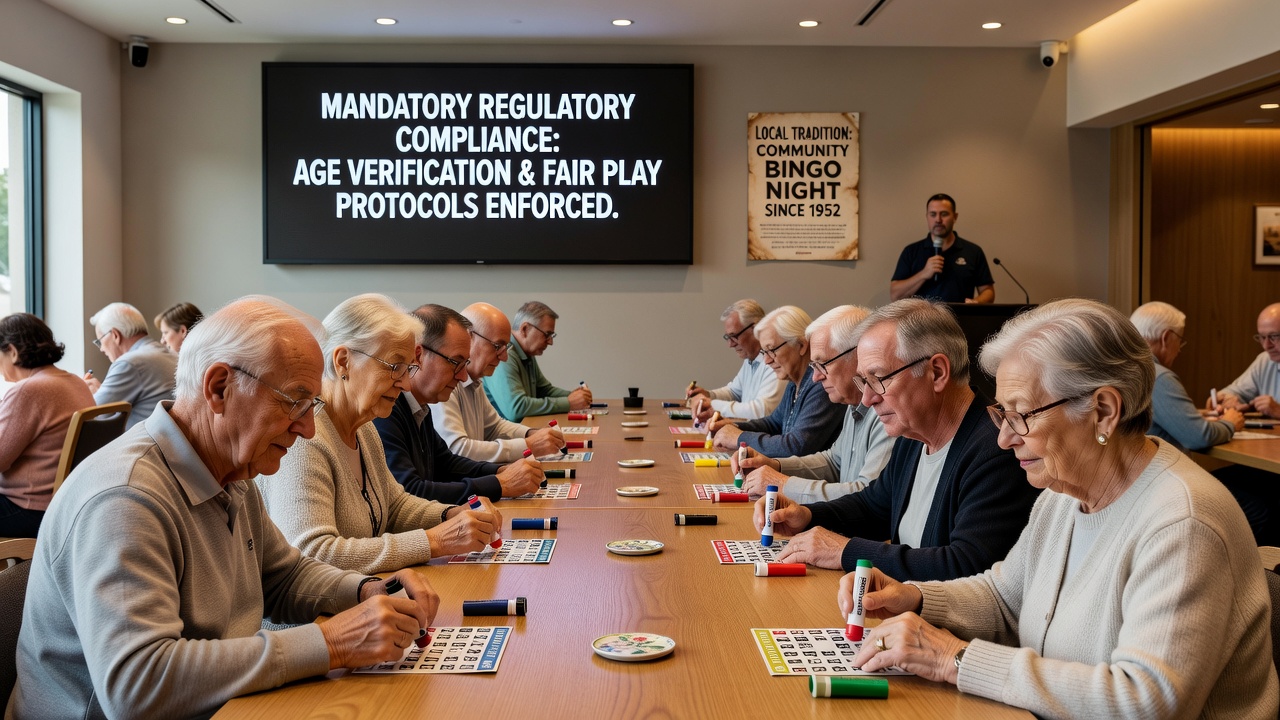 Community gatherings in bingo halls often revolve around established customs that have developed over decades in various regions, and these practices must operate within the boundaries set by legal oversight bodies. Researchers examining venue operations across multiple jurisdictions note that local traditions such as pre-game social hours or themed charity nights integrate with requirements for age verification and financial reporting, creating structured environments where participation remains consistent. Data from industry reports indicate that many halls maintain rituals like collective number announcements or shared prize pools while adhering to standards that prevent unauthorized modifications to game structures. Those who monitor compliance across North American and European sites observe that these customs persist because they align with rules emphasizing transparency in prize distribution and participant eligibility.
Community Rituals and Their Regulatory Boundaries
Local customs frequently include specific seating arrangements or group chants that foster a sense of belonging among regular attendees, yet these elements undergo review to ensure they do not interfere with mandated randomization processes or record-keeping obligations. Studies conducted by gaming oversight agencies reveal that halls in Canada and Australia incorporate such traditions into sessions that also feature required pauses for regulatory checks, allowing the flow of play to continue uninterrupted.
Observers note patterns where venues host weekly events tied to cultural observances, including holiday-themed cards or community fundraisers, and these activities incorporate documentation protocols that satisfy licensing conditions. Figures from regulatory summaries show an increase in coordinated reporting practices since earlier in the decade, with halls submitting data on participation numbers and prize allocations to maintain operational approvals.
Adaptations in Different Jurisdictions
Venues in diverse locations adjust their customary approaches to match varying legal expectations, such as those governing maximum session lengths or minimum payout percentages. In several states and provinces, halls have introduced digital tracking systems that log traditional player interactions without altering the core experience, and this integration supports audits conducted by bodies like the Alberta Gaming, Liquor and Cannabis commission.
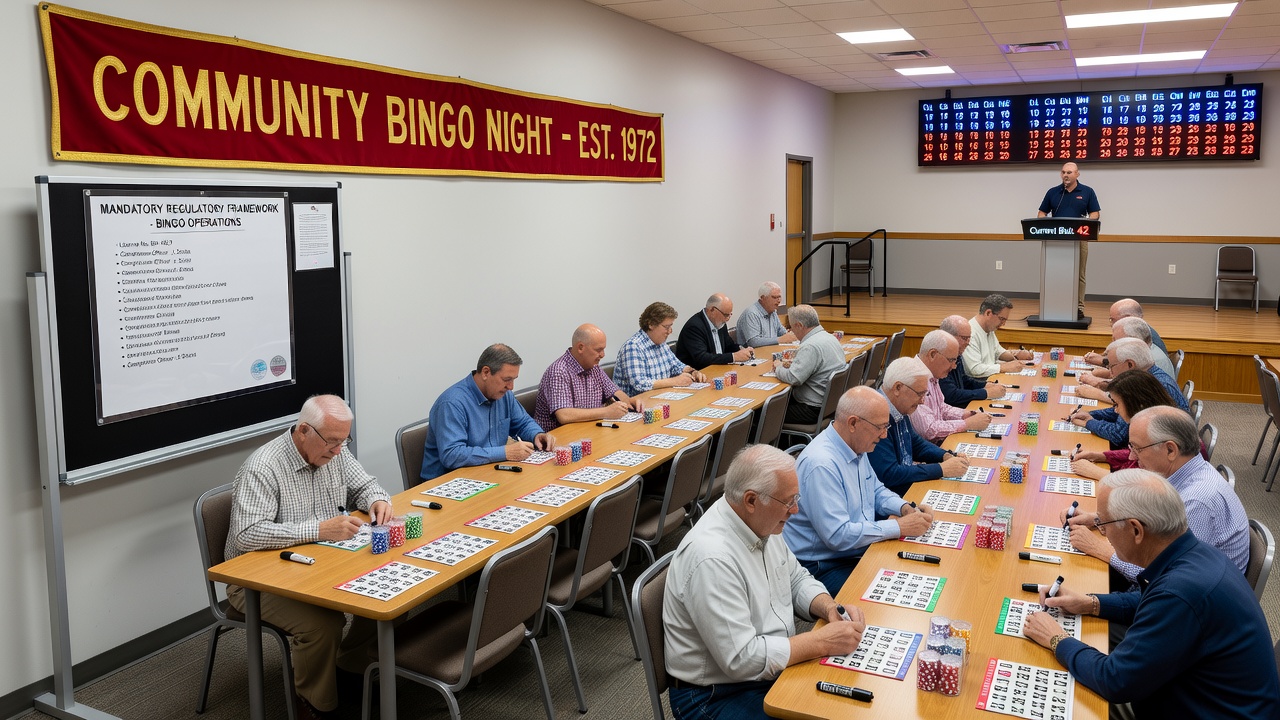
What's interesting is how Australian facilities blend longstanding social customs, including intermission refreshments or announcement styles, with frameworks enforced by state gaming authorities that require clear separation between gaming funds and operational expenses. Research indicates these adjustments occur through collaborative reviews involving venue operators and inspectors, resulting in standardized yet culturally resonant procedures that apply uniformly across multiple sites.
Documentation and Training for Tradition Preservation
Staff at bingo facilities receive guidance on preserving community norms while following protocols for verification and dispute resolution, and training materials often reference examples from past compliance reviews. According to reports issued by international gaming associations, such preparation helps maintain consistency when new regulatory updates take effect, including those scheduled for review cycles around June 2026 in select regions.
People involved in hall management describe processes where traditional elements like player recognition ceremonies undergo evaluation to confirm they meet criteria for fairness and accessibility, leading to documented guidelines that both honor customs and satisfy oversight demands. Evidence from venue audits demonstrates that these aligned practices contribute to sustained attendance figures without compromising legal standards.
Monitoring and Ongoing Alignment Efforts
Regulatory bodies conduct periodic assessments that examine how customary activities intersect with mandatory rules on equipment usage and financial transparency, often resulting in refined operational manuals. Those who've examined data across jurisdictions find that successful integrations rely on regular feedback loops between operators and authorities, which allow traditions to evolve in response to updated requirements rather than remaining static.
One case highlighted in industry analyses involves halls that adapted group celebration customs to include mandatory announcements about responsible participation guidelines, preserving the communal aspect while meeting educational mandates. Such modifications appear in records from oversight agencies in multiple countries, underscoring the practical methods used to bridge local practices with broader legal expectations.
Conclusion
Customary practices in bingo halls continue to function alongside mandatory regulatory frameworks through deliberate coordination that respects both cultural continuity and legal compliance across regions. Information compiled from various sources shows that this alignment supports ongoing operations while accommodating updates, including those anticipated in mid-2026 cycles, and ensures that community elements remain integrated into regulated environments without deviation from established standards.