Charting Randomization Protocols: Equipment Calibration and Prize Formulas Under Multi-Jurisdictional Oversight
 Randomization protocols form the backbone of fair play in regulated bingo operations, where equipment calibration ensures every draw meets statistical benchmarks set by oversight bodies. These systems rely on mechanical ball mixers, electronic random number generators, and sealed verification processes that jurisdictions track through regular audits. Data from multiple regions shows that calibrated devices maintain outcome distributions within one percent of expected randomness across thousands of draws, while prize formulas adjust based on venue revenue, player counts, and statutory caps that differ from state to state. Observers note that calibration routines typically occur before each session and involve temperature checks, motor speed verification, and ball weight inspections to prevent bias. In practice, technicians document these steps in logs that regulators review during compliance visits, and any deviation triggers immediate equipment replacement. Research indicates that consistent calibration reduces disputes by measurable margins, particularly in high-volume halls where draws happen hourly.
Equipment Standards Across Borders
Jurisdictions coordinate through shared technical guidelines even though each maintains independent licensing. For example, ball sets must meet uniform diameter and density tolerances so that no single ball gains an edge in mixing chambers. Electronic systems undergo separate firmware validation that confirms the generator passes chi-square tests and serial correlation checks at defined intervals. Those who've studied these protocols know that multi-jurisdictional groups exchange calibration data quarterly, allowing faster identification of patterns that might indicate wear or tampering.
What's interesting is how calibration frequency scales with prize pools. Venues offering larger jackpots face stricter schedules, often requiring third-party certification every thirty days. This approach ties directly into prize formula calculations because regulators link payout percentages to verified randomness levels. When equipment passes inspection, operators can apply approved formulas that calculate progressive prizes as a fixed percentage of ticket sales plus any carryover from prior games.
Prize Formulas and Oversight Mechanics
Prize structures incorporate variables such as total cards sold, historical payout ratios, and legal minimums that change by location. One common model sets the base prize at forty percent of gross receipts while reserving fifteen percent for progressive accumulation, though these percentages shift under different statutory frameworks. Analysts track these formulas through centralized reporting portals that flag when actual distributions deviate from projected curves. In June 2026 several provinces plan to introduce updated software modules that will require real-time transmission of draw results to oversight databases, tightening the connection between randomization logs and prize disbursement records.
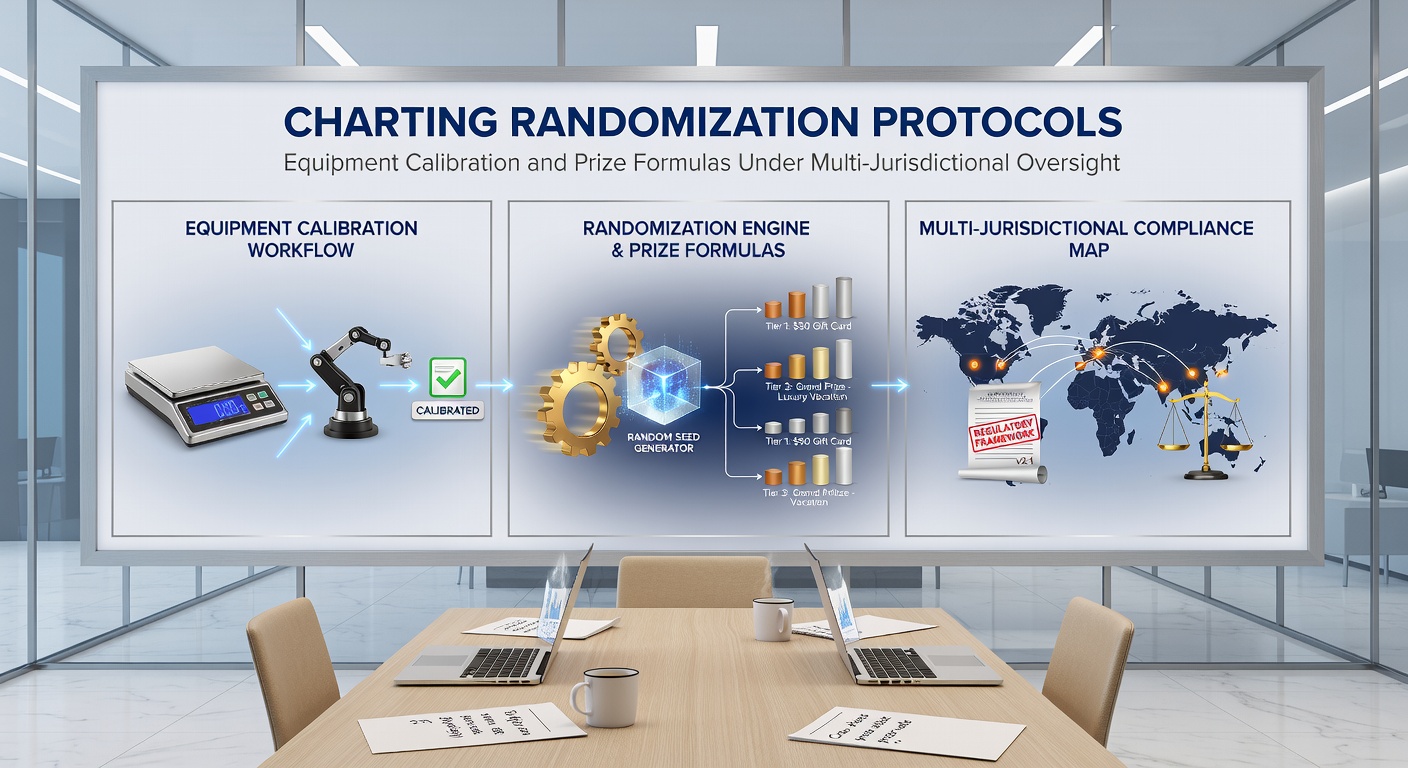
Multi-jurisdictional oversight relies on mutual recognition agreements that let one authority's calibration certificate satisfy another region's initial review, provided the testing standards align. This arrangement speeds up equipment deployment for operators who run sessions across state lines. Yet each jurisdiction still conducts its own random spot checks, and data shows these unannounced inspections catch calibration drift that scheduled visits sometimes miss. Prize formulas must then be recalculated if any draw sequence falls outside accepted parameters, protecting both players and operators from payout imbalances.
Regional Variations in Protocol Application
North American regulators publish annual summaries that detail how many devices underwent recalibration and how often prize formulas required adjustment. These reports reveal that electronic generators receive more frequent updates than mechanical systems because firmware patches can alter distribution curves. Venues adapt by maintaining backup equipment that has already passed the same verification sequence, allowing sessions to continue without interruption. Observers note that cross-border operators maintain separate calibration teams for each jurisdiction to satisfy local documentation rules while still meeting shared technical thresholds.
Academic studies from gaming research centers have examined the statistical impact of these layered checks. Their findings indicate that combined oversight reduces variance in prize outcomes by measurable amounts compared with single-jurisdiction environments. Formulas incorporate these reduced variance figures when setting carryover amounts, which helps stabilize player expectations across different regulatory zones. As June 2026 approaches, several associations are preparing training modules that explain the upcoming data-sharing requirements so operators can adjust their internal tracking systems ahead of the deadline.
Conclusion
Randomization protocols, calibration routines, and prize formulas operate as interconnected systems under multi-jurisdictional oversight. Equipment must meet uniform physical and statistical standards while prize calculations respond to verified randomness data and local statutes. Coordinated reporting and mutual recognition agreements allow operators to navigate differing requirements without duplicating every test. Continued refinement of these processes, including the modules scheduled for June 2026, supports consistent fairness across venues and borders.