Bingo's Number-Calling Cadence: Mapping How Venue Protocols Tie Into Regional Compliance Checks and Player Conduct Norms
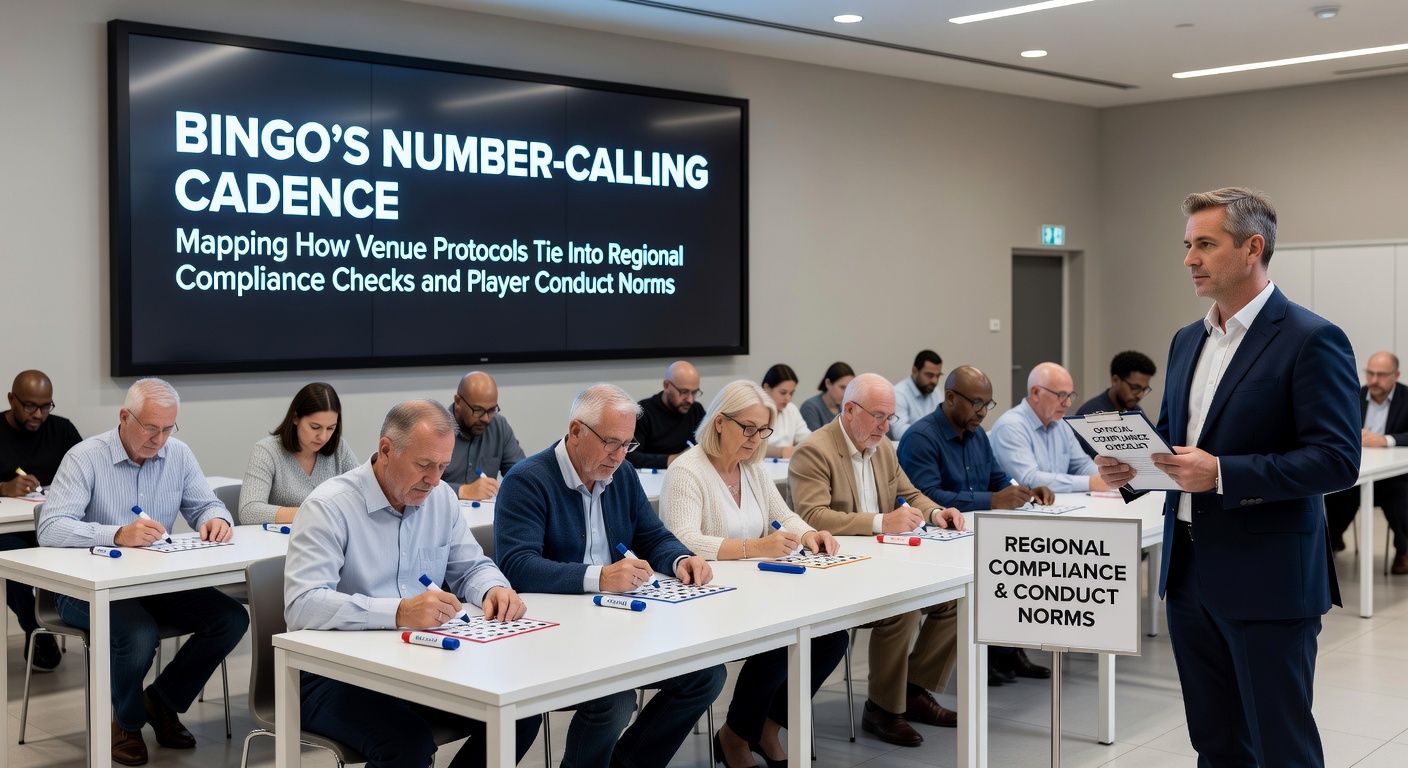
Number-calling cadence in bingo refers to the measured rhythm and pacing that callers maintain when announcing letters and numbers during sessions, and this practice connects directly to venue protocols that align with regional compliance standards. Venues establish specific timing guidelines for each call, typically ranging from four to six seconds between announcements, because these intervals allow players sufficient time to mark cards while satisfying oversight requirements that prevent rushed or automated delivery methods. Regional authorities review these cadences during routine audits to confirm that operators maintain consistent delivery speeds across all sessions, which in turn supports fair play documentation that regulators collect for quarterly reports.
Venue Protocols and Their Integration With Compliance Frameworks
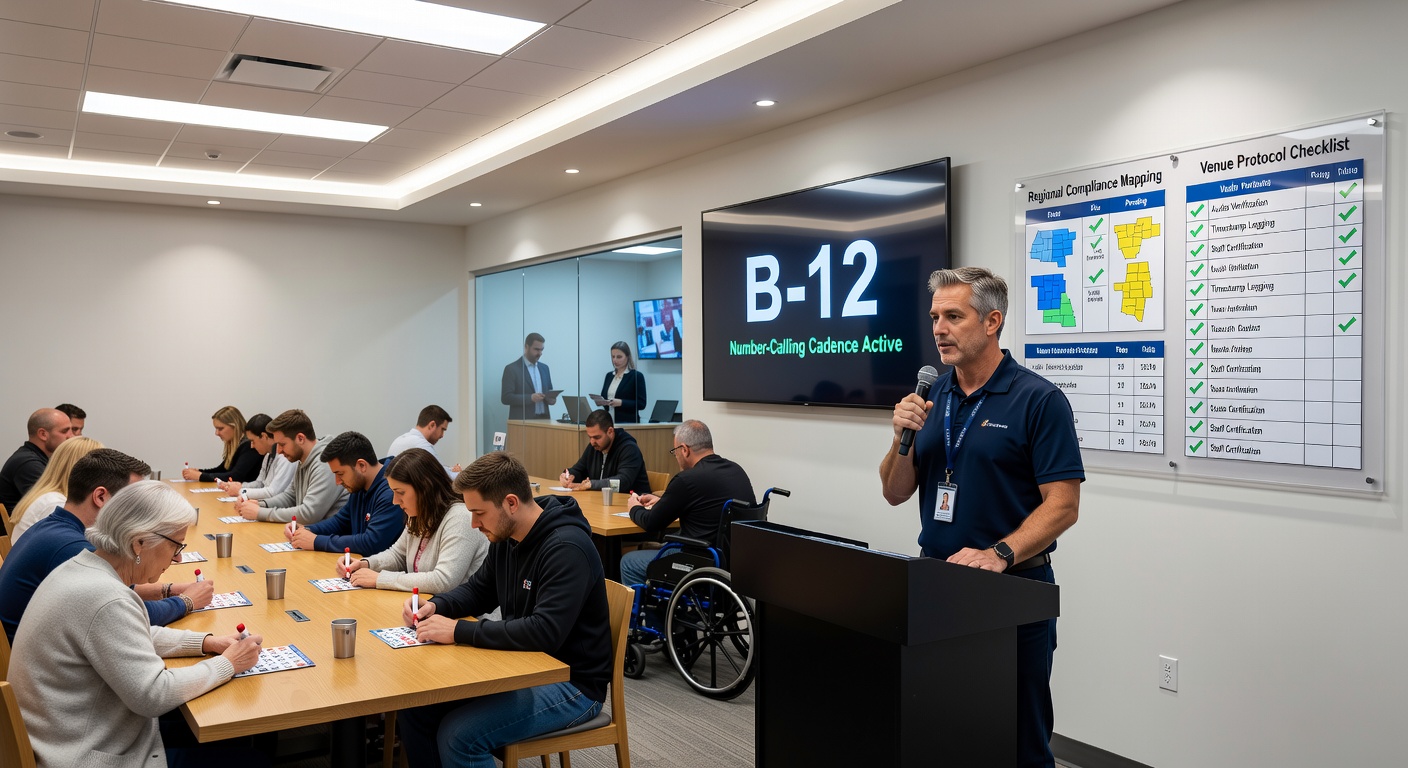
Venue managers develop internal protocols that specify exact phrasing, pause durations, and repetition rules for callers, and these documents map onto broader compliance checks conducted by state or provincial gaming bodies. Staff training programs incorporate cadence drills where callers practice sequences under observation, because inspectors often request live demonstrations during unannounced visits to verify adherence. In jurisdictions with electronic verification systems, the calling rhythm must synchronize with automated card-checking software, which logs timestamps for each number drawn and flags deviations that exceed preset tolerance levels. Observers note that such synchronization reduces discrepancies in prize validation processes, particularly when multiple winners claim the same pattern within a single game round.
Compliance documentation frequently references cadence logs that venues retain for at least three years, and these records become central during renewal applications or after player complaints about perceived irregularities. Facilities in different regions adjust their protocols to reflect local demographic patterns, such as extending pauses in halls serving older players who may require additional time to locate numbers on larger print cards. Data from oversight agencies shows that standardized cadence training correlates with fewer administrative citations related to game integrity, because consistent delivery minimizes opportunities for disputes over missed announcements.
Regional Variations in Cadence Standards Across Jurisdictions
Regulatory frameworks in various states and provinces impose distinct cadence requirements that reflect differences in player conduct expectations and enforcement priorities. Some areas mandate audible confirmation of each number before proceeding to the next draw, while others permit callers to advance more quickly provided they maintain clear enunciation and allow visual confirmation through display boards. Research from gaming commissions indicates that these variations stem from historical enforcement cases where inadequate pacing led to player confusion or claims of procedural errors. Venues operating near state borders often maintain dual protocol sets to accommodate cross-jurisdictional players who bring expectations from their home regions.
As preparations advance for regulatory reviews scheduled in May 2026, several oversight bodies plan to harmonize certain cadence metrics across neighboring jurisdictions to simplify multi-state operator compliance. Current figures reveal that halls in tribal lands under National Indian Gaming Commission oversight already incorporate specific interval requirements that align wth federal reporting templates, whereas commercial venues in other states follow guidelines issued by their respective lottery or gaming divisions. National Indian Gaming Commission compliance resources detail how these metrics integrate with broader operational audits.
Player Conduct Norms Shaped by Calling Cadence
Player behavior on the bingo floor adapts to the established calling cadence, with many participants developing personal marking strategies that match the interval between announcements. Conduct guidelines posted at venues often instruct players to refrain from verbalizing numbers aloud or requesting repetitions outside designated break periods, because such interruptions can disrupt the documented rhythm that compliance officers monitor. Studies of session recordings demonstrate that groups accustomed to slower cadences exhibit higher rates of simultaneous wins, whereas faster-paced environments correlate with increased use of daubers and pre-marking techniques among experienced players.
Regional conduct norms also influence how callers handle verification requests, with some jurisdictions requiring callers to pause entirely for card checks while others allow continuation provided the number remains displayed. Those who've observed multiple venues report that players quickly internalize these local expectations, adjusting their engagement levels accordingly without explicit instruction. Training materials distributed by industry associations emphasize that consistent cadence supports orderly conduct by setting predictable rhythms that reduce noise levels and minimize disputes during prize claims.
Electronic player tracking systems now capture behavioral data tied to cadence variations, allowing operators to identify patterns such as increased card purchases during slower-paced early sessions versus later games. Ontario gaming compliance summaries highlight how similar data informs adjustments to venue protocols that balance player flow with regulatory documentation needs.
Conclusion
Venue protocols governing number-calling cadence continue to evolve alongside regional compliance frameworks, creating measurable connections to player conduct expectations that persist across different operational environments. Ongoing data collection and scheduled reviews through 2026 support refinements that maintain consistency while accommodating local operational realities.