Bingo's Draw-to-Disbursement Chain Across America's Scattered Gaming Sites
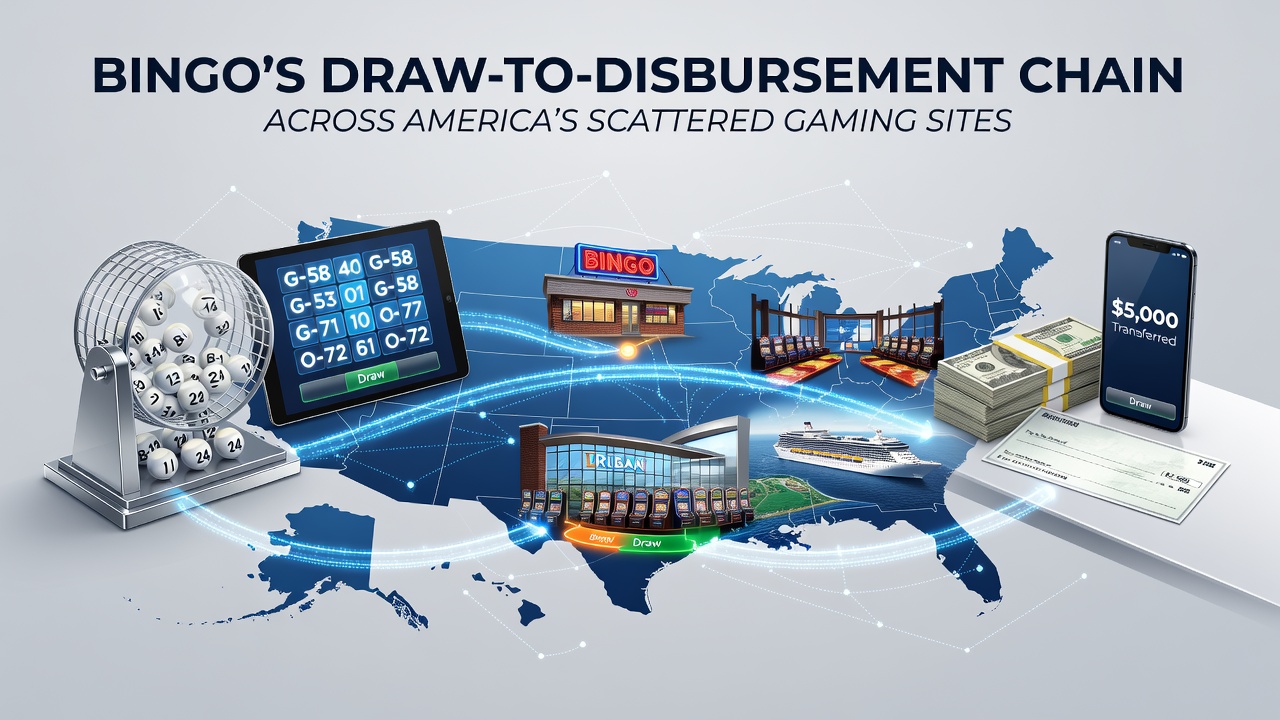
Data from multiple state gaming commissions shows that bingo operations follow a structured sequence beginning with number generation and ending with prize distribution, yet this chain adapts to each jurisdiction's specific rules across the United States. Observers note that the process starts when approved random number generators or mechanical ball machines produce the sequence of calls, after which players mark cards according to venue protocols that align with local statutes.
Those who've studied regulatory filings across states find that the draw phase often involves dual verification systems where both electronic logs and physical records capture every number released, creating an auditable trail that regulators can review during compliance checks. In July 2026 several jurisdictions updated their equipment calibration requirements, prompting operators to submit new certification documents that tie directly into the disbursement formulas used for calculating payouts.
Regional Variations in Number Generation and Verification
Research indicates that states with tribal gaming compacts maintain separate oversight mechanisms compared to commercial halls licensed by state lottery boards, resulting in different standards for how draws occur and how quickly verification follows each call. Experts have observed that some venues integrate barcode scanning at the draw stage to link cards to player accounts, while others rely on manual inspections that feed into centralized reporting systems required by law.
What's interesting is how these verification loops connect to broader distribution guidelines, ensuring that prize pools remain separate from operating funds until winners are confirmed through documented processes. Figures reveal that multi-jurisdictional operators adjust their internal software to meet each location's mandates, creating a patchwork of protocols that still maintain core elements like sequential logging from draw to final payout.
From Marking to Claim Submission
Players mark cards during active sessions under rules that dictate acceptable daubers, timing, and pattern completion, after which staff members initiate claim procedures that route information through venue management systems. Data shows these systems often interface with state-mandated reporting platforms, transmitting details about winning combinations and prize amounts within specified timeframes to prevent discrepancies during audits.
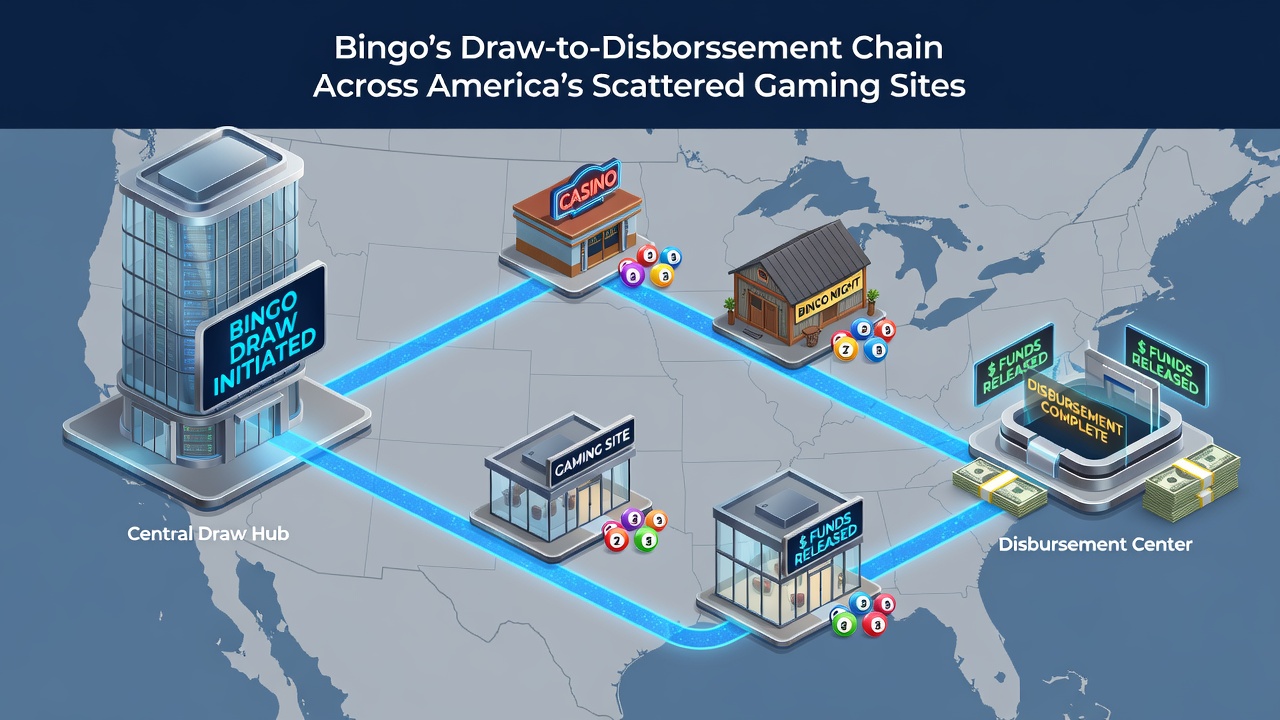
One study revealed that electronic marking aids, when permitted, generate timestamped records that accelerate the transition from game completion to disbursement, reducing errors that once delayed payments in high-volume halls. Yet manual verification remains common in many regions, requiring multiple staff signatures before funds move from the prize account to the winner.
Disbursement Mechanisms and Compliance Checks
According to regulatory summaries published by various gaming authorities, disbursement occurs through cash, check, or electronic transfer depending on prize size and state guidelines, with larger amounts triggering additional identity verification steps to comply with anti-money laundering provisions. Observers note that the chain concludes only after these steps align with both venue policies and external oversight, closing the loop that began at the initial draw.
People who've tracked industry reports find that operators in states like those overseen by the National Indian Gaming Commission coordinate with tribal gaming offices on payout reporting, whereas commercial venues follow frameworks established by state lottery divisions. This geographic spread means the same bingo pattern can trigger different documentation requirements depending on where the game takes place.
Turns out the integration of these elements creates operational efficiencies when venues adopt unified software platforms capable of handling multiple regulatory inputs simultaneously. Research from academic sources such as studies conducted at the University of Nevada, Reno highlights how data analytics now support real-time monitoring of draw-to-disbursement timelines, helping operators demonstrate adherence during scheduled reviews.
Interstate Operator Challenges
Companies managing sites across state lines must navigate distinct equipment standards and prize structure formulas, which affects everything from ball machine calibration schedules to the frequency of financial reconciliations. Evidence suggests that centralized compliance teams review logs from each location to ensure consistency with local mandates, even as the core sequence from number generation to winner payment stays intact.
Additional sources like reports from the Canadian Gaming Association provide comparative insights into similar fragmented systems, showing parallels in how verification protocols support transparent disbursements across borders. Operators apply these lessons when refining their American site procedures to maintain regulatory standing.
Conclusion
The draw-to-disbursement chain in American bingo operations reflects a balance between standardized game mechanics and localized regulatory demands that shape each step along the way. As systems continue to evolve with updated technology and reporting tools, the process remains anchored in documented sequences that connect number generation directly to verified prize distribution across scattered gaming sites.