Bingo Equipment Essentials: Meeting Standards for Fairness in Regulated Play
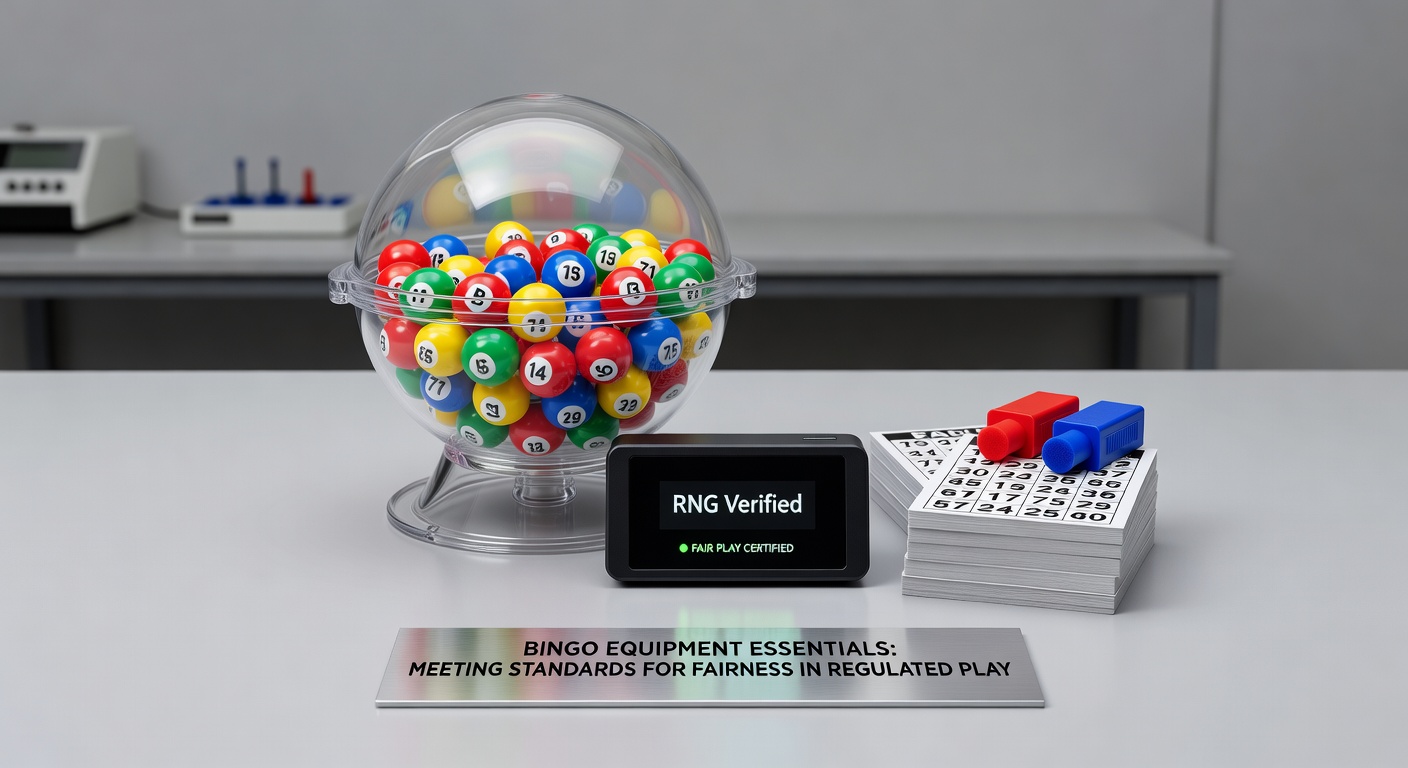
Equipment in regulated bingo settings must deliver consistent randomness while satisfying oversight requirements from multiple authorities, and operators select components that undergo documented testing before deployment. Mechanical ball sets typically feature seventy-five or ninety numbered spheres made from hardened plastic or rubber compounds that maintain uniform weight and diameter across production batches. These specifications prevent bias during mixing cycles, which last between thirty and sixty seconds in most approved devices.
Core Physical Components
Ball cages or mixers come in several configurations, ranging from traditional wire baskets with hand-cranked paddles to enclosed chambers that use air jets or rotating drums. Manufacturers calibrate each unit to meet tolerances established by testing laboratories, and regulators require annual recalibration certificates that document airflow rates or rotation speeds. Paper bingo cards remain prevalent in many halls, printed with sequential numbers in grids that follow fixed patterns, while thermal paper variants allow for rapid reprints during high-volume sessions. Operators track card stock through serialized batches so that duplicate numbers can be identified quickly if disputes arise.
Daubers and markers must apply ink that dries within seconds to avoid smudging during verification, and some jurisdictions specify non-toxic formulations along with minimum tip diameters. Storage cabinets for cards and markers incorporate tamper-evident seals, and staff log access times in bound registers that auditors review during surprise inspections.
Electronic Systems and Randomization Standards
Electronic bingo terminals replace physical cards with digital interfaces that display numbers drawn from certified random number generators. These generators undergo statistical testing suites that examine output sequences for uniformity, independence, and absence of repeating patterns over millions of cycles. Laboratories accredited under ISO 17025 perform the evaluations, and results feed into compliance reports submitted to licensing bodies. Terminals connect to central servers that log every draw timestamp and player action, creating audit trails that extend back at least seven years in most regulatory frameworks.
Hardware security modules protect encryption keys used for data transmission between caller stations and player devices. Firmware updates require digital signatures from approved vendors, and any modification triggers a mandatory recertification process before the equipment returns to active use. In May 2026 several North American jurisdictions plan to introduce updated technical standards that incorporate quantum-resistant algorithms for long-term key protection.
Testing Protocols and Documentation
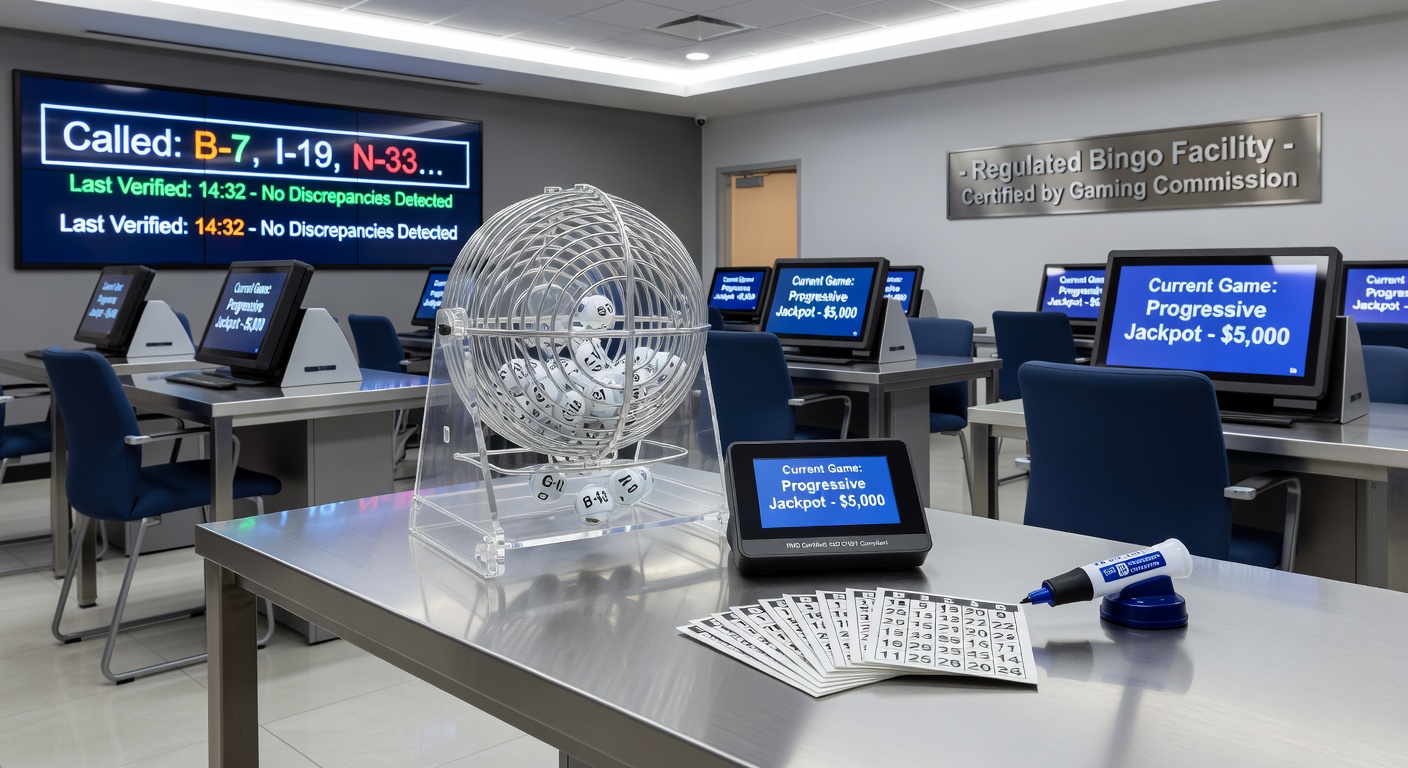
Independent test houses examine each piece of equipment against published criteria that cover mechanical durability, electrical safety, and software integrity. Drop tests, environmental chamber cycles, and electromagnetic interference trials form part of the evaluation sequence, while software modules receive source-code reviews that identify potential manipulation vectors. Once approved, devices receive tamper-evident labels that include unique serial numbers linked to the original test report. Operators maintain equipment logs that record maintenance dates, part replacements, and software version changes, and these records must be available for review within twenty-four hours of a regulatory request.
Remote monitoring tools allow oversight agencies to poll game servers in real time and compare draw results against expected statistical distributions. Discrepancies trigger automated alerts that prompt on-site verification visits. Data from these systems also supports periodic reviews of game integrity, with summary statistics published quarterly by several provincial regulators.
Regional Oversight Approaches
Canadian provincial commissions such as the Alcohol and Gaming Commission of Ontario publish detailed equipment approval lists that specify acceptable models and required firmware revisions. Australian state authorities maintain similar registries and conduct unannounced site audits that focus on calibration certificates and seal integrity. In tribal gaming contexts within the United States, the National Indian Gaming Commission references equipment standards developed in coordination with testing laboratories and requires annual independent audits that encompass both hardware and software components. These varied frameworks share a common emphasis on verifiable randomness and tamper resistance, even as procedural details differ by jurisdiction.
Supply chain traceability has gained attention in recent guidelines, with some regulators requesting documentation that traces component origins back to raw material batches. This information helps identify systemic issues if manufacturing defects appear across multiple installations.
Conclusion
Meeting fairness standards in regulated bingo requires coordinated attention to mechanical specifications, electronic safeguards, and ongoing documentation practices. Laboratories, manufacturers, and oversight bodies each contribute distinct elements to the verification chain, and operators integrate these requirements into daily procedures through checklists and digital logs. Continued evolution of technical standards, including those scheduled for rollout in 2026, will shape the next generation of equipment while preserving the core principle that every player receives an equal probability of winning based on transparent randomization processes.